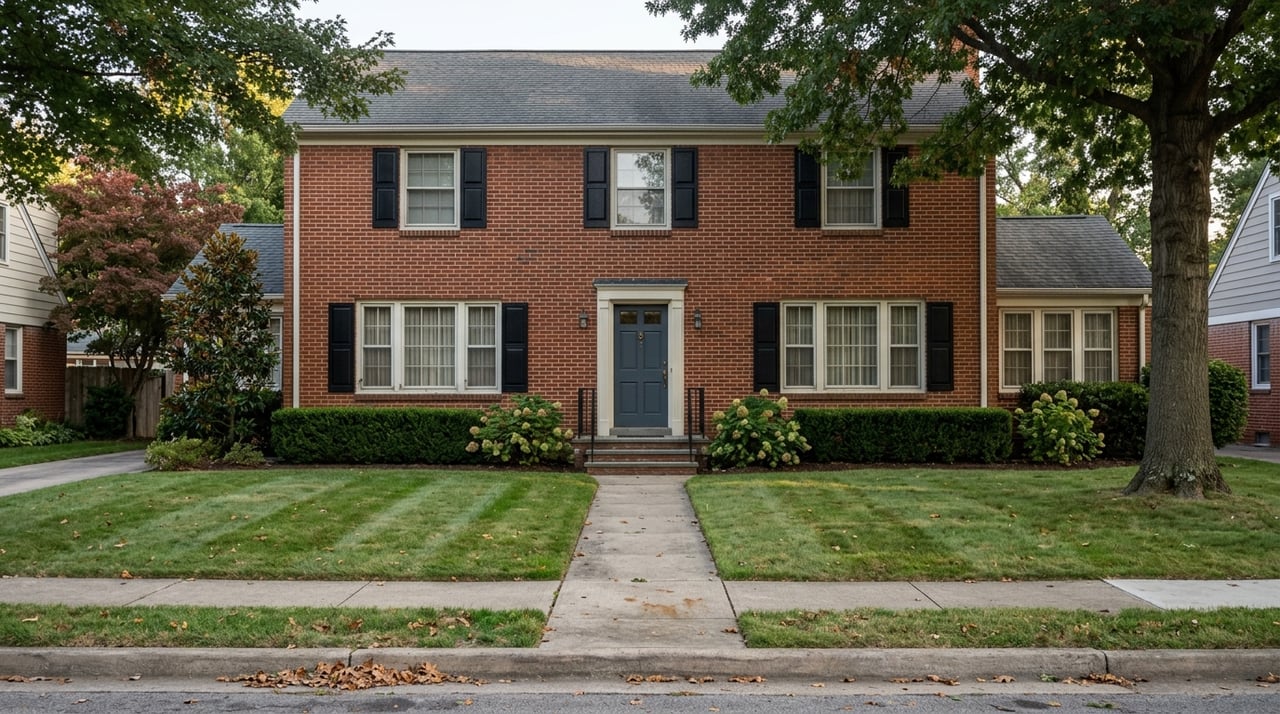
Thinking about buying in Alexandria? The style of home you choose can shape far more than curb appeal. In this city, architecture often hints at how a home lives day to day, how much maintenance you may handle, and whether exterior updates fall under historic review or community rules. If you understand those differences early, you can shop with more confidence and fewer surprises. Let’s dive in.
Why home style matters in Alexandria
Alexandria has a layered housing stock that reflects different eras of growth. You will find early townhouses from the colonial and federal periods, mid-20th-century brick Colonial Revival communities, and newer condos and townhomes in redevelopment areas.
That mix matters because a home’s style often signals practical realities. In Alexandria, it can point to lot size, layout, maintenance expectations, and whether the property may be part of a local historic district, condo, or HOA structure.
The city has seven National Register historic districts, but only Old and Historic Alexandria and Parker-Gray are local historic districts regulated by the Board of Architectural Review, or BAR. Alexandria also has a 42.1% owner-occupied housing unit rate, which helps explain why condos and other shared-ownership housing are such an important part of the market.
Historic rowhomes and townhouses
What they usually look like
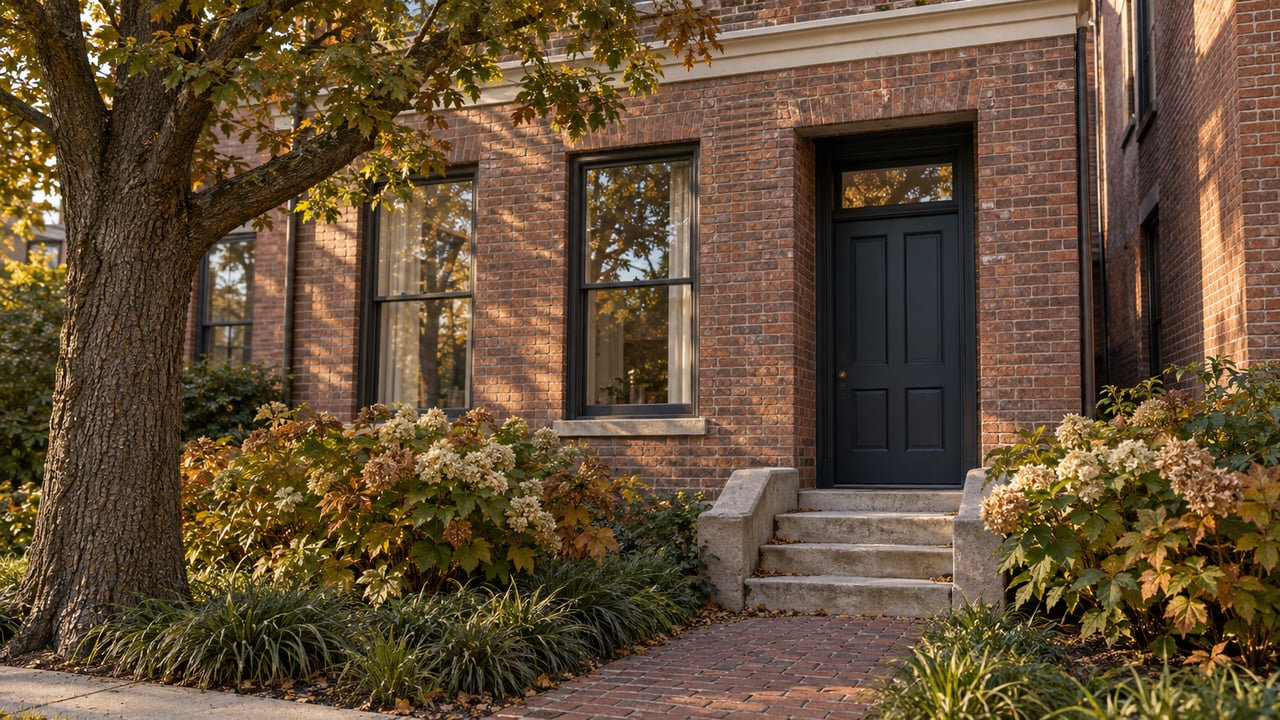
If you picture classic Alexandria, you are probably thinking of historic rowhomes. Old Town has a high concentration of townhouses and townhouse-like buildings that grew from narrow urban lots and compact vertical plans.
Many of these homes reflect Georgian, Federal, and Greek Revival influences. In practical terms, that often means a narrower frontage, stacked living across multiple floors, and less lot depth than you might expect in a more suburban setting.
Parker-Gray adds another variation to the city’s historic housing story. The district includes many small row houses and townhouses, including blocks of brick Colonial Revival row houses built in several 20th-century development periods.
What they mean for maintenance
Historic charm often comes with a more hands-on ownership experience. If a home is in Old and Historic Alexandria or Parker-Gray, visible exterior changes and new construction generally require a Certificate of Appropriateness from the BAR or Preservation staff.
Interior work does not require BAR approval. Still, if you hope to change windows, roofs, masonry, stoops, railings, siding, garage doors, or other visible exterior details, you should expect an approval process and design guidelines.
For you as a buyer, that usually means the oldest rowhomes reward thoughtful stewardship. They can be a great fit if you appreciate original character and historic detail, but they often require closer attention to materials, exterior maintenance, and review requirements before making changes.
What they mean for lifestyle
Historic rowhomes tend to fit buyers who want a dense, walkable street grid and strong architectural character. They are often closely tied to the urban feel that draws people to Old Town.
The tradeoff is usually less yard space and a more vertical floor plan. If you love the idea of a home with personality and a location that supports a walkable routine, this style may feel worth it.
Mid-century brick colonials and Colonial Revival communities
What they usually look like
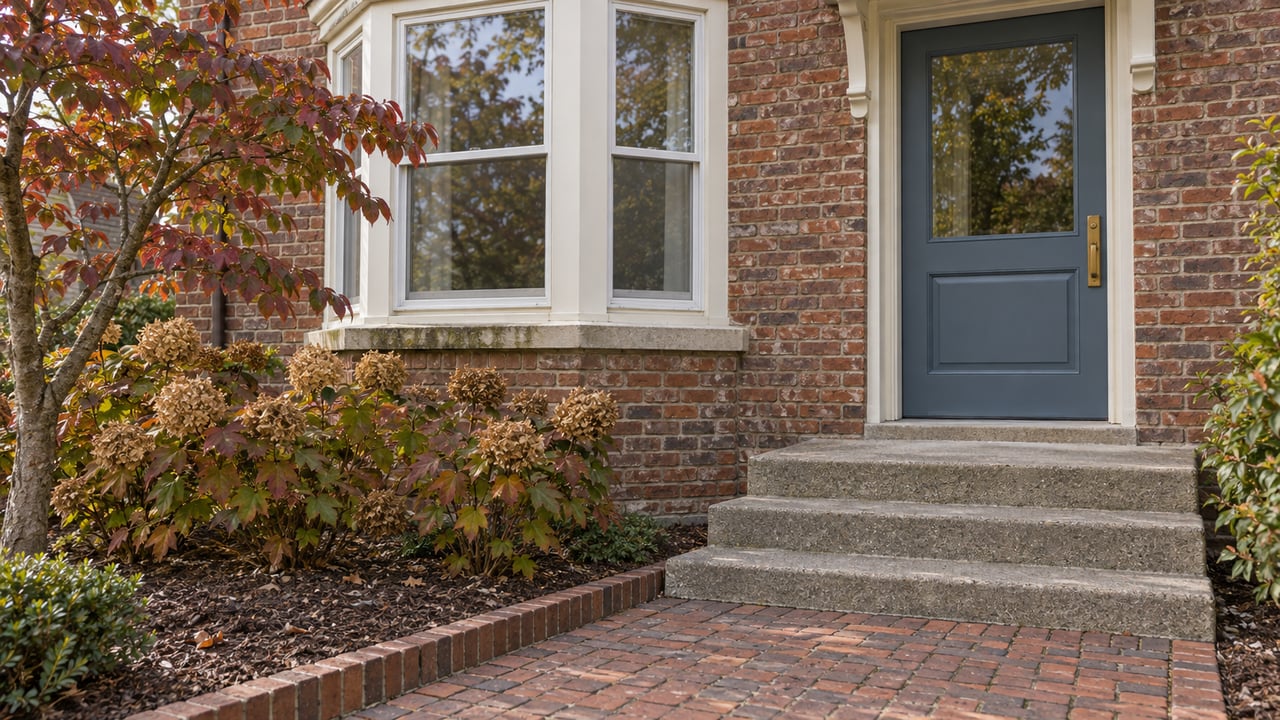
Alexandria’s mid-century housing often shows up as brick Colonial Revival communities. These homes tend to feel classic, practical, and more uniform in scale than the city’s oldest housing stock.
Two of the best-known examples are Fairlington and Parkfairfax. Fairlington was built for defense workers during World War II, later renovated, and sold as condominiums. Parkfairfax was built from 1941 to 1943 and includes 1,684 individual two-level condominium townhouses and one-level flats.
In Del Ray, post-war two-family brick duplexes, sometimes called brick boxes, are another major housing type. These homes typically feature simplified Colonial Revival detailing and a straightforward, efficient layout.
What they mean for maintenance
Mid-century brick communities often feel less delicate than the oldest historic rowhomes. At the same time, some of that convenience may come from a condo or association structure rather than from the building style alone.
Under Virginia law, a condominium involves ownership of a single unit along with common elements. Associations collect mandatory assessments for maintenance and improvements to those common elements.
For you, that can mean less direct responsibility for some exterior upkeep, but more monthly dues and more shared rules. It is a different maintenance model, not necessarily a lighter one in every way.
What they mean for lifestyle
This style often suits buyers who want a traditional home feel with a more manageable ownership structure. You may get familiar brick architecture and practical layouts without taking on all the responsibilities of a free-standing historic home.
In communities like Parkfairfax, mature landscaping and open-space character are part of the appeal. If you want something that feels established and classic, but still relatively manageable, this category is worth a close look.
Newer townhomes and condos
What they usually look like
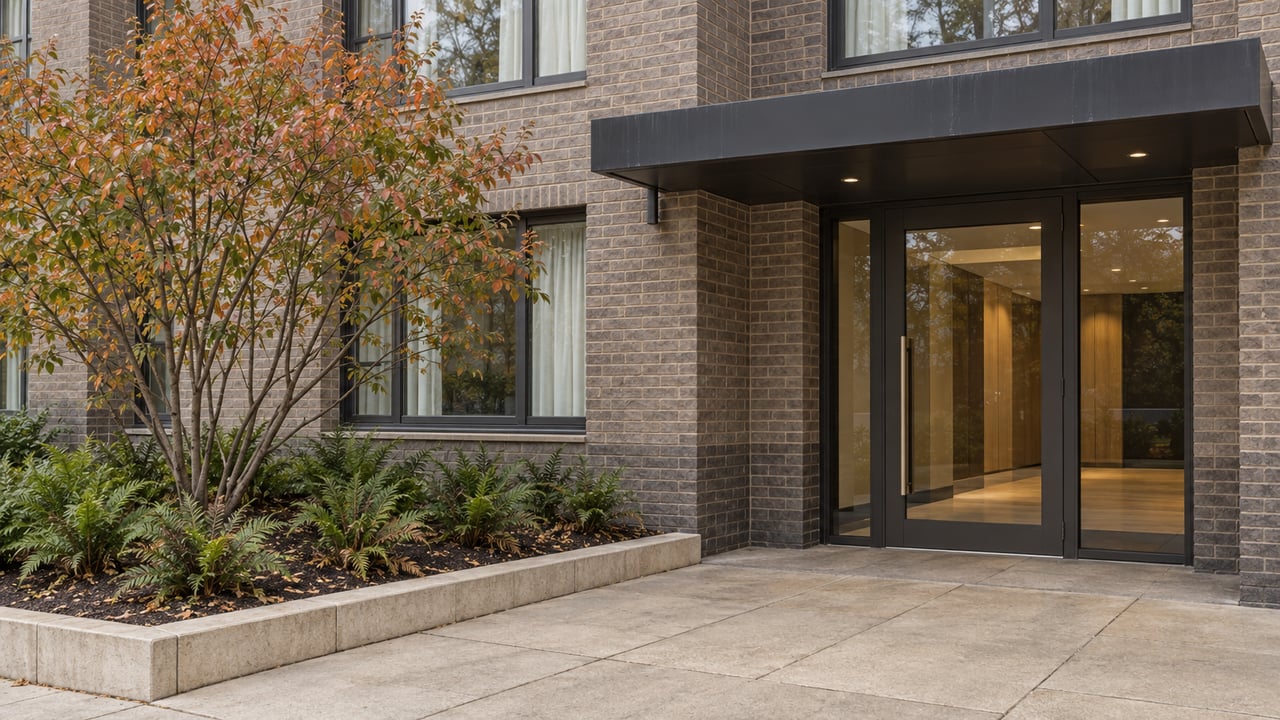
Alexandria’s newer housing is most visible in redevelopment areas such as Old Town North and Eisenhower East. These areas reflect how the city is adding housing today, often through larger-scale residential and mixed-use projects.
The city cites a 287-unit residential redevelopment in Old Town North and a separate Eisenhower Avenue project with two multifamily residential towers and 67 townhouses. That pattern shows how newer Alexandria housing often combines condos, townhomes, and mixed-use design rather than stand-alone detached lots.
What they mean for maintenance
Newer condos and townhomes often shift more of the exterior and common-area work to an association structure. In Virginia, condominium common elements are owned and maintained collectively, and the association can levy assessments for maintenance and improvements.
That usually translates into less direct exterior upkeep for you. It can also mean monthly fees, more shared decision-making, and clearer rules about what you can and cannot change.
If your priority is a more turnkey ownership experience, newer homes may offer exactly that. Just make sure you understand the fee structure and governance before you buy.
What they mean for lifestyle
Newer townhomes and condos often appeal to buyers who want newer systems and a lower-maintenance routine. They are especially attractive if you value convenience and are comfortable with an HOA or condo framework.
In Alexandria, these homes are often found in mixed-use or redevelopment settings rather than on the oldest historic blocks. That can influence everything from building amenities to the overall streetscape and daily rhythm of the neighborhood.
The most useful takeaway for buyers
In Alexandria, home style is rarely just about appearance. It often gives you an early clue about how a property will function, what kind of ownership responsibilities you may have, and what tradeoffs come with the location and layout.
Here is a simple way to think about it:
- Historic rowhomes often mean the most character, the strongest walkable urban feel, and the most preservation-related constraints.
- Mid-century brick homes and Colonial Revival communities often mean classic design, more predictable layouts, and maintenance that may be shared through a condo or association structure.
- Newer townhomes and condos often mean convenience, newer systems, and less direct exterior upkeep, along with more association involvement and monthly fees.
Before you fall in love with any one style, it helps to confirm a few basics. In Alexandria, those details can affect your renovation plans, monthly costs, and long-term expectations.
What to confirm before you buy
Historic district status
First, confirm whether the property is in a local historic district, a National Register-only district, or neither. This matters because local historic districts such as Old and Historic Alexandria and Parker-Gray are subject to BAR review for visible exterior changes.
A National Register designation does not automatically mean the same local review process applies. That distinction is one of the most important details to verify early.
Ownership structure
Next, ask whether the property is fee simple, a condominium, or part of an HOA. That answer can shape how maintenance is divided, what fees you pay, and what changes require approval.
This is especially important in Alexandria, where condos and shared-ownership communities play such a large role in the market. A home that looks like a townhouse may still operate under condo rules.
Maintenance responsibilities
You should also find out how much maintenance is individual versus shared. A historic rowhome may place more direct responsibility on you, while a condo community may handle more common-area or exterior work through assessments.
Neither setup is automatically better. The right fit depends on how involved you want to be and how predictable you want your maintenance planning to feel.
Lifestyle match
Finally, think about how each style fits your daily life. Do you want a walkable urban setting with historic character, or are you looking for a more turnkey home with fewer direct maintenance tasks?
When you match the style of home to the way you actually live, your decision becomes much clearer. In a city as varied as Alexandria, that alignment matters.
Choosing the right Alexandria home is not just about square footage or finishes. It is about understanding how architecture, ownership, and daily lifestyle come together in one of Northern Virginia’s most layered housing markets. If you want help comparing options with a local, design-minded perspective, Kristen Jones Real Estate can help you find the right fit.
FAQs
What is the difference between a local historic district and a National Register district in Alexandria?
- In Alexandria, only Old and Historic Alexandria and Parker-Gray are local historic districts regulated by the Board of Architectural Review for visible exterior changes. A National Register designation alone does not mean the same local review rules apply.
Do exterior changes to a historic Alexandria rowhome need BAR approval?
- If the home is in Old and Historic Alexandria or Parker-Gray, visible exterior alterations and new construction generally require a Certificate of Appropriateness from the BAR or Preservation staff, while interior work does not require BAR approval.
Are mid-century brick homes in Alexandria usually condos?
- Some well-known mid-century communities are condominiums, including Fairlington and Parkfairfax, but ownership structure can vary by property, so it is important to confirm whether a home is fee simple, a condo, or part of an HOA.
What do condo or HOA fees usually cover in Alexandria?
- In a condominium structure, common elements are owned and maintained collectively, and associations can collect mandatory assessments for maintenance and improvements to those common elements.
Which Alexandria home style is best for lower maintenance?
- Newer townhomes and condos usually offer the least direct exterior upkeep, while historic rowhomes often involve more hands-on exterior responsibility and, in some cases, preservation review for visible changes.