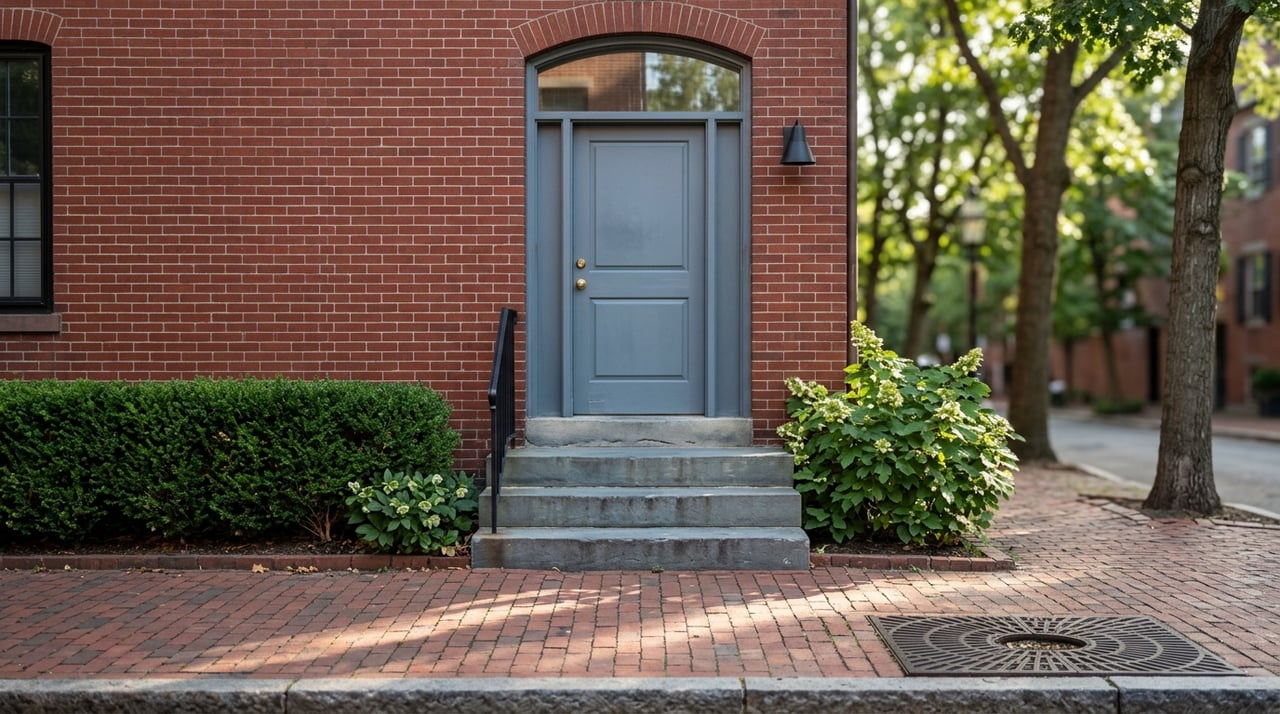
Choosing the right Alexandria neighborhood can feel surprisingly hard because the city packs a lot of variety into a relatively small footprint. One street may feel historic and walkable, while another nearby is more transit-focused or shaped by newer redevelopment. If you want to narrow your options with confidence, this guide will help you compare Alexandria neighborhoods in a practical, buyer-friendly way. Let’s dive in.
Start With How You Live
The best neighborhood for you is not always the one with the biggest name recognition. In Alexandria, your daily routine often matters more than the neighborhood label itself.
A smart way to compare areas is to rank your priorities in this order: commute mode first, then housing type, then walkability, then open-space access, then your comfort level with historic review or ongoing redevelopment. That framework lines up well with how the City of Alexandria’s planning documents show meaningful differences across neighborhoods.
Because Alexandria is shaped by small-area plans, overlays, and long-running redevelopment zones, two nearby blocks can feel very different. That is why it helps to compare specific corridors and streets, not just broad neighborhood names.
Compare Commute Options First
If your weekly routine depends on rail, bus, or easy regional access, start there. Alexandria has four Metrorail stations, an Amtrak station next to King Street, a VRE station next to King Street, DASH service, Metrobus, and multi-use trail connections.
The King Street-Old Town station is the city’s largest transit facility and one of the strongest multimodal hubs in the area. It connects Metro, DASH, the King Street Trolley, Capital Bikeshare, carshare, taxis, private shuttles, and adjacent VRE and Amtrak service.
Braddock Road also connects to Metroway, while Eisenhower Avenue sits directly off I-495 and next to Hoffman Town Center with REX and DASH connections. In the West End, the planned West Alexandria Transit Center is expected to serve future West End and Duke Street BRT routes, along with DASH and Metrobus.
Best Areas for Transit Access
King Street Metro and Carlyle
If you want the shortest path to multiple transit options, the King Street Metro and Carlyle area deserves a close look. This area is especially useful if your schedule includes rail commuting, regional travel, or frequent trips across Northern Virginia and D.C.
Eisenhower East
Eisenhower East may appeal to you if you want urban convenience with strong access by car and transit. The area includes residential, condominium, and office development, which creates a more vertical and modern environment than some of Alexandria’s older neighborhoods.
Potomac Yard
Potomac Yard is being built around newer transit infrastructure and planned as a sustainable mixed-use community around the Metrorail station. If Metro access is high on your list and you prefer newer surroundings, this area may fit your lifestyle well.
West End and Landmark/Van Dorn
If you are thinking long term, the West End is worth watching. The area is centered around major redevelopment, a new hospital campus, retail, multifamily housing, townhomes, and future transit improvements.
Match the Neighborhood to the Housing Style
Alexandria neighborhood choice is often about more than location alone. The city’s planning materials suggest that street pattern, housing type, and transit access all play a major role in how an area feels day to day.
In older parts of Alexandria, historic development patterns include small apartments, townhouses, and mixed-use blocks. In newer districts, you are more likely to see mixed-use communities, multifamily buildings, and more recent construction.
Historic and Traditional Housing Contexts
Old Town and Parker-Gray
Old Town is Alexandria’s historic urban core, and much of it sits within a National Register Historic District. The local Old & Historic Alexandria District and the Parker-Gray District are also regulated by the Board of Architectural Review, which means exterior alterations and demolitions are more closely reviewed than in unprotected areas.
For some buyers, that preservation context is a major advantage because it helps maintain the look and feel of the area. For others, it may mean thinking more carefully about future exterior changes before buying.
Del Ray
Del Ray grew as an early streetcar suburb with small lots, an east-west grid, sidewalks, street trees, and homes that sit close to the street. That pattern supports a neighborhood-scale feel that many buyers find appealing.
If you like traditional residential streets with a commercial corridor nearby, Del Ray offers a different experience from Old Town. It can feel less formal than the historic core while still offering a strong sense of place.
Rosemont
Rosemont is a National Register Historic District and is known in city planning materials as one of the areas that helped define Alexandria’s historic development patterns. It is often a fit for buyers who want a primarily residential setting with a preservation-minded context.
Newer and Mixed-Use Housing Options
Potomac Yard
Potomac Yard stands out for buyers who want newer construction, mixed-use planning, and open space near Metro. The updated plan anticipates mixed-use development within a quarter mile of the station and prioritizes pedestrians, bicyclists, transit, and vehicles in that order.
West End Alexandria
West End Alexandria is described by the city as a mixed-use area with retail, multifamily housing, townhomes, medical office, and the new Inova hospital campus. If you want newer product and are comfortable with an area still evolving, this part of the city may be worth a closer look.
Eisenhower East
Eisenhower East is another option if you prefer condo living or a more urban environment. It combines residential and office projects in a location shaped by transit access and larger-scale development.
Look Closely at Walkability
Walkability in Alexandria is easiest to compare through objective features. Look for a main-street retail spine, a nearby transit stop or trolley, and convenient access to parks or trails.
Old Town is one of the strongest examples. The King Street Trolley runs every 15 minutes between the King Street Metrorail Station and City Hall and Market Square, and the Old Town Farmers’ Market is accessible by trolley and DASH buses. The waterfront district also combines 23 acres of parks and trails with shops, dining, a marina, and historic sites.
Del Ray is another strong choice if you value daily errands on foot. The Mount Vernon Avenue plan emphasizes the avenue as a business corridor and supports pedestrian streetscapes along the corridor.
Neighborhoods With Strong Everyday Walkability
- Old Town: Strong retail concentration, trolley service, waterfront access, farmers market, and many daily amenities close together.
- Old Town North: A mix of uses, retail, arts and cultural uses, and housing options in a walkable setting.
- Del Ray: A neighborhood-scale business spine along Mount Vernon Avenue with a traditional street grid and pedestrian-friendly design.
- Potomac Yard: A growing walkable environment built around newer mixed-use planning and Metro access.
Factor in Parks and Trails
Open space can change how a neighborhood feels just as much as housing style. Alexandria has more than 900 acres of protected open space and over 20 miles of trails, which helps explain why some areas feel more park-oriented than others.
Old Town’s waterfront offers parks, trails, a marina, and public access. Four Mile Run Park links into Arlington and Washington, D.C. trail systems, while Holmes Run Scenic Easement connects Dora Kelley Nature Park to Brookvalley Park.
Potomac Yard Park adds another major recreation option, and Rosemont has long been associated with Beach Park. If outdoor time is part of your everyday routine, these features deserve a spot near the top of your checklist.
Areas to Consider for Green Space
Old Town
If you want waterfront access and public open space woven into daily life, Old Town offers one of the strongest combinations in Alexandria.
Del Ray and Potomac West
If trails and active recreation matter to you, Del Ray and nearby Potomac West benefit from access to Four Mile Run Park.
Rosemont
If you prefer a more residential setting with a long-standing neighborhood park, Rosemont’s connection to Beach Park may stand out.
Potomac Yard
If you want newer planning plus significant open space, Potomac Yard combines both in a way that is hard to ignore.
Think About Historic Review or Redevelopment
This step is often overlooked, but it matters. Some Alexandria buyers love the structure and character that come with historic review, while others prefer fewer restrictions or are excited by newer redevelopment.
In Old Town and Parker-Gray, exterior alterations and demolitions are subject to more regulation through local review. That can be a real benefit if you value historic character and long-term design stewardship.
In contrast, areas like Potomac Yard, West End, and Eisenhower East are more shaped by newer mixed-use planning and ongoing investment. If you are comfortable buying into an area that is still evolving, those neighborhoods may offer a different kind of opportunity.
A Simple Alexandria Comparison Checklist
When you tour Alexandria neighborhoods, use the same questions each time. That will help you compare places more clearly and avoid choosing based on first impressions alone.
- How would you most often commute from this block?
- What housing type do you want most: historic townhome, condo, mixed-use building, or newer construction?
- Can you walk to daily needs like retail, parks, trails, or transit?
- How important is access to waterfronts, neighborhood parks, or regional trails?
- Are you comfortable with historic-review rules, or do you prefer an area shaped by newer redevelopment?
- Does this specific block feel the way you want to live day to day?
The Best Neighborhood Is Usually Block-Specific
One of the most important things to know about Alexandria is that neighborhood names only tell part of the story. The city’s planning framework includes overlays, small-area plans, and redevelopment zones, so the feel of one corridor can differ meaningfully from the next.
That is why the best approach is a street-level one. When you compare neighborhood options through commute, housing type, walkability, green space, and planning context, your decision usually becomes much clearer.
If you want help narrowing the options, touring the right pockets, or matching your lifestyle to the right part of Alexandria, Kristen Jones Real Estate offers the local guidance and concierge-level insight to help you move with confidence.
FAQs
What is the best Alexandria neighborhood for commuting?
- If commuting is your top priority, the King Street Metro and Carlyle area offers the city’s strongest multimodal access, with Metro, DASH, the trolley, VRE, Amtrak, bikeshare, and more.
Which Alexandria neighborhood is best for walkability?
- Old Town and Del Ray are two of the strongest choices for walkability, thanks to their retail corridors, pedestrian-friendly design, and access to transit and public spaces.
Which Alexandria neighborhoods have newer construction?
- Potomac Yard, West End Alexandria, and Eisenhower East are among the clearest examples of newer mixed-use and more recently developed areas in Alexandria.
What should buyers know about historic districts in Alexandria?
- In areas like Old Town and Parker-Gray, exterior alterations and demolitions are more regulated through local review, which can affect future renovation plans.
Which Alexandria neighborhoods have the best access to parks and trails?
- Old Town, Del Ray and Potomac West, Rosemont, and Potomac Yard all stand out for access to parks, trails, waterfront areas, or neighborhood recreation spaces.
How should buyers compare Alexandria neighborhoods?
- A practical way to compare Alexandria neighborhoods is to start with commute mode, then housing type, walkability, open-space access, and your comfort level with historic review or redevelopment.