If you have ever wondered why two homes in Alexandria with similar square footage can sell for very different prices, you are asking the right question. In this market, value often comes from a mix of location, character, condition, and lifestyle details that buyers notice immediately. Understanding those drivers can help you price, prepare, or shop more strategically. Let’s dive in.
Why Alexandria values are so layered
Home values in Alexandria are shaped by more than size alone. Freddie Mac’s research on the DC metro area found that price is influenced first by location, then by structural features and neighborhood characteristics. In Alexandria, that means small differences in setting or presentation can create meaningful price gaps between homes that look similar on paper.
That pattern makes sense in a city with about 160,662 residents, a median household income of $119,681, and a population density of 10,677.4 people per square mile, according to the Census Bureau. In a dense, established city, buyers tend to weigh convenience, setting, and usability very carefully. The result is a market where context matters just as much as square footage.
Market conditions still matter
Alexandria remains a competitive market, even as buyers pay close attention to affordability. Redfin reported a median sale price of $688,395 over the three months ending April 2026, with homes averaging 2 offers and 31 days on market. It also found that 32.7% of homes sold above list price.
Inventory is still relatively tight across the broader Northern Virginia region. NVAR reported 1.93 months of supply in May 2026, which is still below a balanced market. Its 2026 forecast also called for modest price growth in Alexandria, with 1.1% for detached homes, 2.3% for townhomes, and 2.2% for condos.
Mortgage rates also shape what buyers can and will pay. Freddie Mac reported a 30-year fixed rate of 6.49% as of June 25, 2026. That matters because even when demand is steady, higher borrowing costs can make buyers more selective about which features deserve a premium.
Transit access can lift value
One of the clearest value drivers in Alexandria is access to transit. Freddie Mac’s DC metro research found that homes within a quarter mile of a Metro station sold for 8.6% more than homes located over a mile away. The premium was 7.5% within a quarter-to-half mile and 3.9% within half-to-one mile.
That does not mean every home near a station automatically commands more. The same research notes that noise, congestion, and parking challenges can offset some of the benefit. Still, for many buyers, shorter commutes and easier access to the region are worth paying for.
Alexandria stations shape micro-markets
Alexandria has several transit nodes that influence pricing in different ways:
- King St-Old Town connects to Metro, Amtrak, VRE, DASH buses, Metrobus, and the free daily trolley to Old Town and the Waterfront.
- Potomac Yard opened in 2023 on the Blue and Yellow lines, adding new transit convenience between Reagan National Airport and Braddock Road.
- Braddock Road, Eisenhower Avenue, and Van Dorn each create distinct access patterns that can appeal to buyers who prioritize commuting ease.
Because of that, two homes with similar finishes may compete in very different value bands based on how easily you can get around from each one.
Waterfront proximity adds appeal and complexity
Waterfront access is another major value driver. Freddie Mac found that a waterfront community feature carried almost a 40% premium across the DC metro area. That is a broad regional finding, not a rule for every block in Alexandria, but it helps explain why river-adjacent homes often behave differently from inland properties.
In Alexandria, the waterfront offers obvious lifestyle appeal. The marina provides Potomac views, boat slips, and water taxi service, and the city’s waterfront planning emphasizes public space and connection to the river. For many buyers, that setting creates a strong emotional pull.
But waterfront value is not only about scenery. Alexandria’s Waterfront Flood Mitigation Project also reminds buyers to consider flooding, stormwater management, construction impacts, and insurance costs alongside the lifestyle premium. In other words, waterfront proximity can raise value, but buyers often look at both enjoyment and risk.
Historic character carries real economic weight
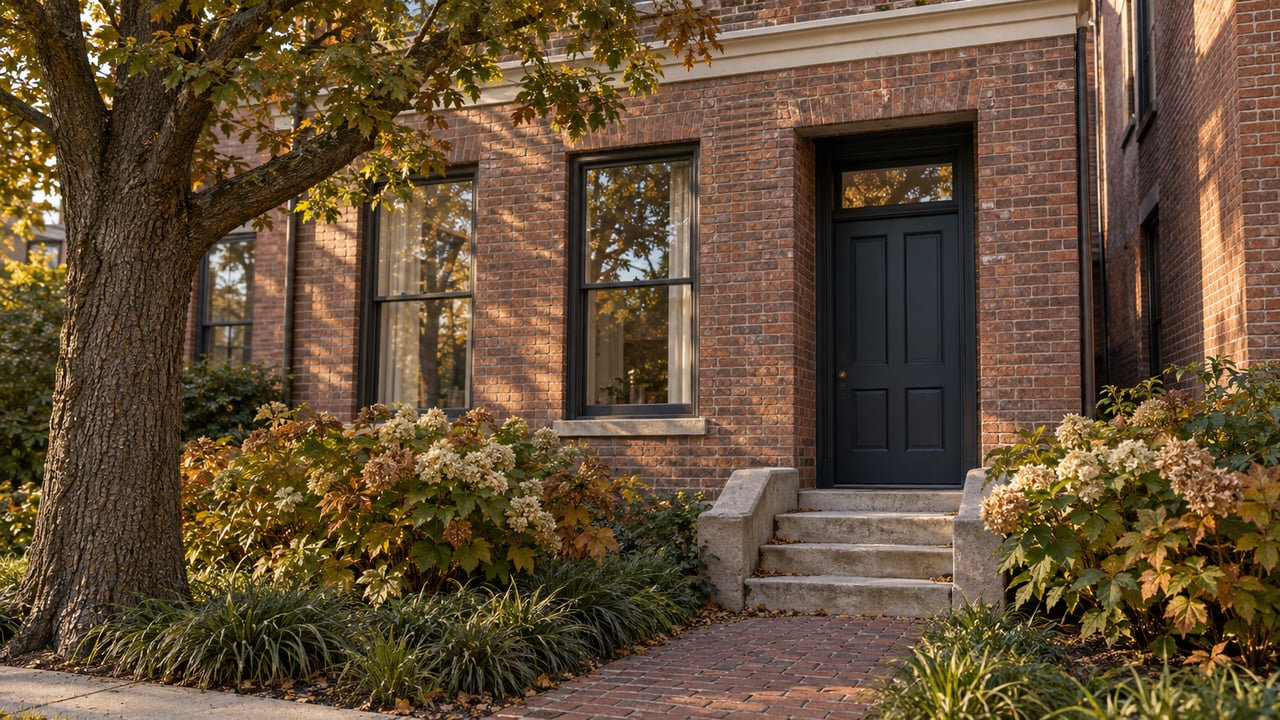
In Alexandria, architectural character is not just aesthetic. It can directly affect value. The city says the Old & Historic Alexandria District is the third oldest historic district in the United States, and Alexandria includes seven National Register historic districts plus two local districts regulated by the Board of Architectural Review.
That framework matters because exterior changes visible from a public way often require BAR approval. The city’s guidelines shape how owners approach facades, windows, rooflines, and compatibility with surrounding streetscapes. For buyers, that often translates into a premium for homes that feel authentic and well preserved.
Why similar homes can sell differently
In areas shaped by historic review, buyers often respond strongly to how a home fits its setting. A property that feels historically intact may be valued differently than one with similar interior updates but less cohesive exterior character. That is one reason Alexandria pricing can seem unpredictable unless you understand the local context.
For sellers, this means thoughtful presentation matters. Preserving character, highlighting craftsmanship, and making renovation choices that respect the home’s style can support stronger positioning in the market.
Renovation quality matters more than trendy finishes
Condition is another major driver of value, but buyers and appraisers do not view condition as the same thing as style. Freddie Mac notes that appraisers rate quality of construction and condition separately. That means beautiful finishes do not erase structural issues, deferred maintenance, or overall wear.
Buyers are also placing more emphasis on move-in readiness. NAR’s 2025 Remodeling Impact Report found that 46% of home buyers are less willing to compromise on condition. The same report found that 28% of owners said the most important result of remodeling was better functionality and livability.
This is especially relevant in Alexandria, where many homes blend historic character with modern updates. Buyers often pay more for renovations that improve how the home lives day to day, while still feeling appropriate to the property and location.
Updates that tend to support value
According to NAR’s 2025 report, homeowners gave perfect Joy Scores to:
- Kitchen upgrades
- New roofing
- Added primary bedroom suites
The takeaway is simple. Useful, well-executed improvements often matter more than flashy ones. In Alexandria, design choices that improve flow, function, and comfort while respecting the home’s setting can make a noticeable difference.
Outdoor space is a bigger factor than many expect
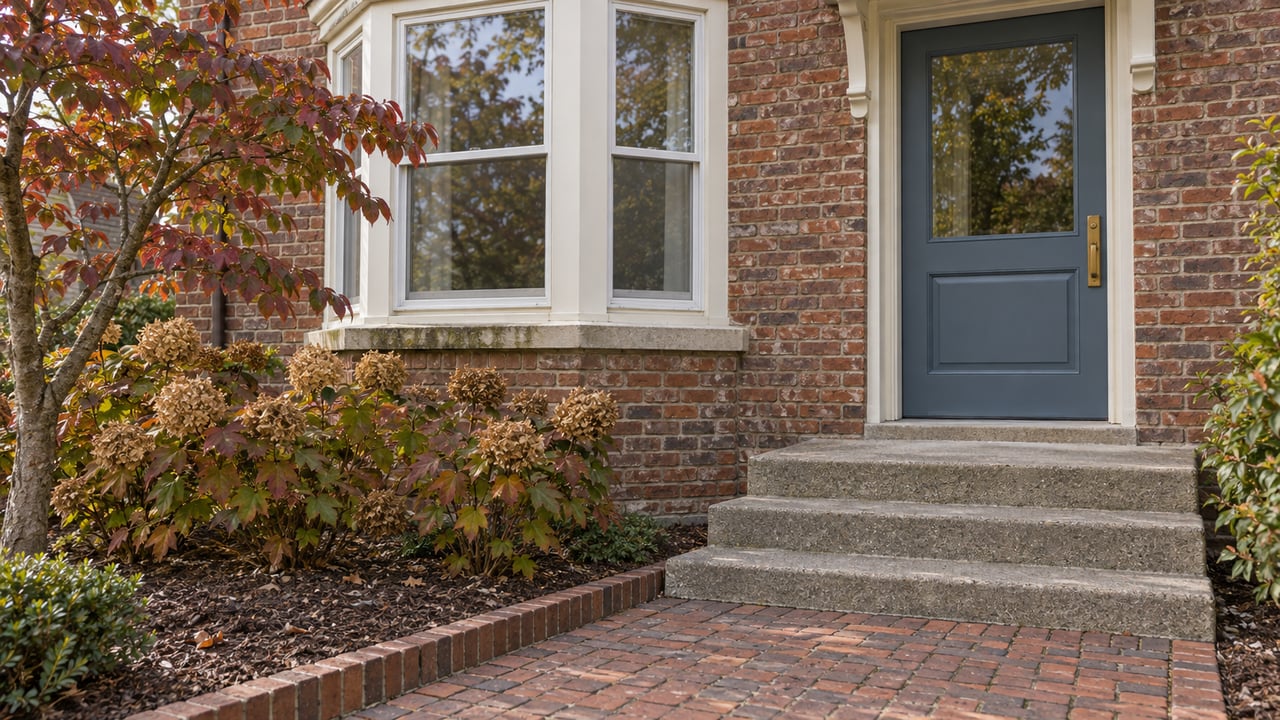
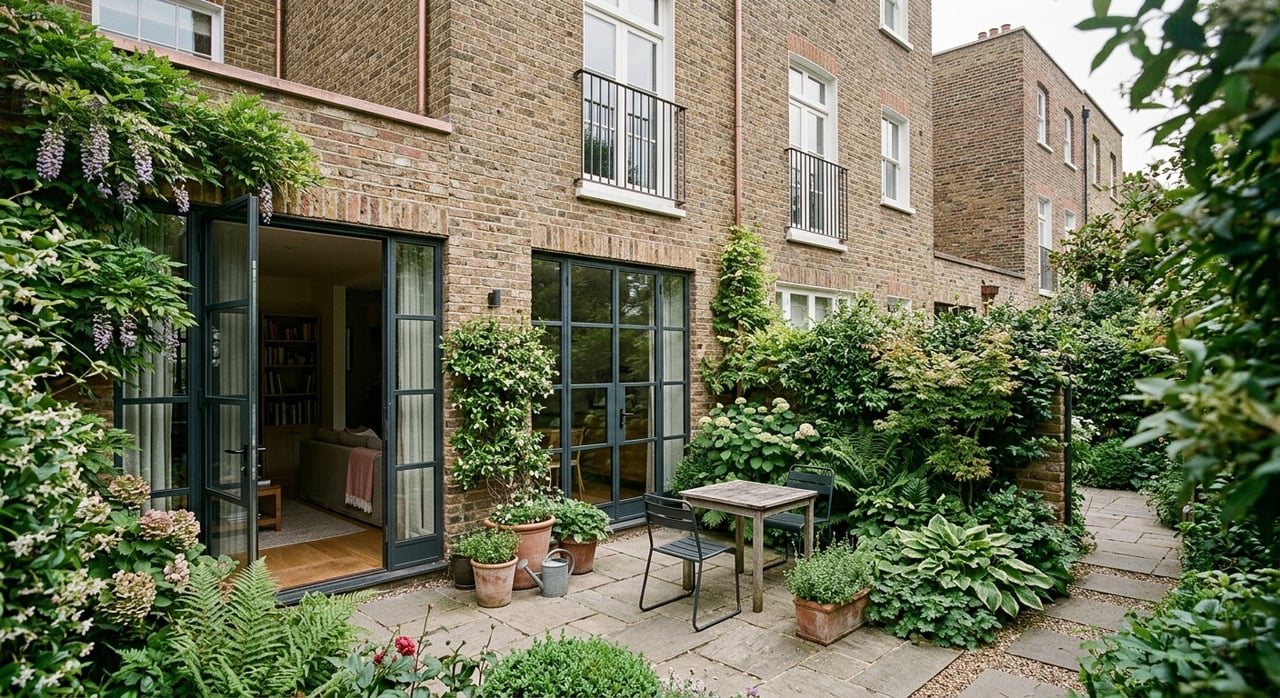
In a dense city, usable outdoor space can become a true differentiator. With Alexandria’s compact footprint and many homes on smaller lots, features like a patio, roof deck, small yard, or polished front entry can carry extra weight. Buyers often see those spaces as an extension of the home’s livability.
Curb appeal plays a role too. NAR’s 2023 Outdoor Features report found that 97% of members said curb appeal is important to attracting a buyer, and 98% said it matters to buyers themselves. First impressions still count, especially in neighborhoods where homes are viewed side by side.
Presentation can also influence both timing and price. NAR’s 2025 staging report found that 29% of agents saw staging increase offered value by 1% to 10%, while 49% said it reduced time on market. For Alexandria sellers, that reinforces the value of thoughtful preparation before listing.
Alexandria buyers compare the full package
One of the biggest mistakes in this market is treating all same-size homes as direct substitutes. A townhouse near King St-Old Town or the waterfront may belong in a different pricing conversation than a similar-sized home farther from transit but with more private outdoor space. A renovated property in a historic district may also command different attention than a newer-feeling home in another part of the city.
That is why buyers often need to assess an amenity stack, not just one feature at a time. Location, transit, character, renovation quality, outdoor usability, and market timing all work together. When several of those strengths show up in one property, the premium can be significant.
What sellers should focus on
If you are selling in Alexandria, the goal is not simply to list your home by square footage. It is to position it against the right micro-market and the right set of comparable homes. That usually starts with identifying which value drivers your property genuinely offers.
A smart seller strategy often includes:
- Improving visible condition before launch
- Highlighting authentic architectural character
- Making practical updates that improve livability
- Presenting outdoor space clearly and attractively
- Pricing according to the home’s true location advantages
For many sellers, the best results come from combining pricing discipline with design-forward preparation. That is especially true in Alexandria, where buyers notice details and often make quick judgments based on both feel and function.
What buyers should focus on
If you are buying, it helps to think beyond the list sheet. Ask what you are really paying for in the home’s location, setting, condition, and daily convenience. In Alexandria, those factors often explain the gap between a home that feels merely acceptable and one that attracts stronger offers.
A better buying question is not just, “How big is it?” It is, “What is the total lifestyle and utility value here?” When you evaluate transit access, historic status, outdoor usability, and renovation quality together, pricing tends to make a lot more sense.
Whether you are preparing to sell a historic townhouse, evaluating a condo near transit, or searching for a home that balances charm with convenience, local context matters. For tailored guidance on how your property or target home fits Alexandria’s value drivers, connect with Kristen Jones Real Estate.
FAQs
What factors most affect home values in Alexandria?
- In Alexandria, home values are often shaped by transit access, waterfront proximity, historic character, renovation quality, outdoor usability, and current market conditions, not just square footage.
How much does Metro access affect Alexandria home prices?
- Freddie Mac found in the DC metro area that homes within a quarter mile of a Metro station sold for 8.6% more than homes over a mile away, with smaller premiums extending out to one mile.
Does living near the Alexandria waterfront increase value?
- Waterfront location can support a price premium because of views, recreation, and public-space access, though buyers may also weigh flood risk, insurance, and ongoing mitigation work.
Why do historic homes in Alexandria sell at different price points?
- Historic district rules, exterior character, and how well a home fits its streetscape can influence buyer demand, which means two homes with similar interiors may still sell for different amounts.
Do renovations always raise Alexandria home values?
- Renovations can help, but buyers and appraisers look at overall condition and construction quality, not just stylish finishes, so practical and well-executed improvements tend to matter most.
How important is outdoor space for Alexandria buyers?
- In a dense city like Alexandria, usable outdoor areas such as patios, roof decks, small yards, and strong curb appeal can make a home stand out and improve buyer interest.