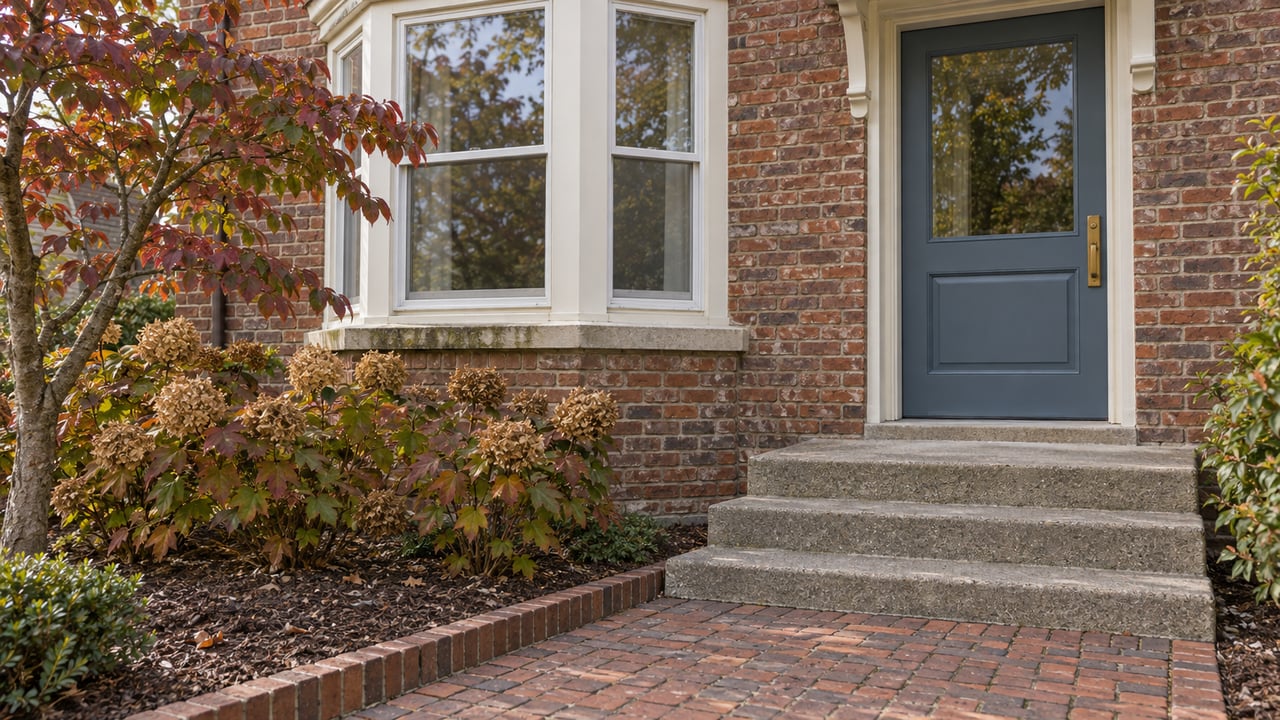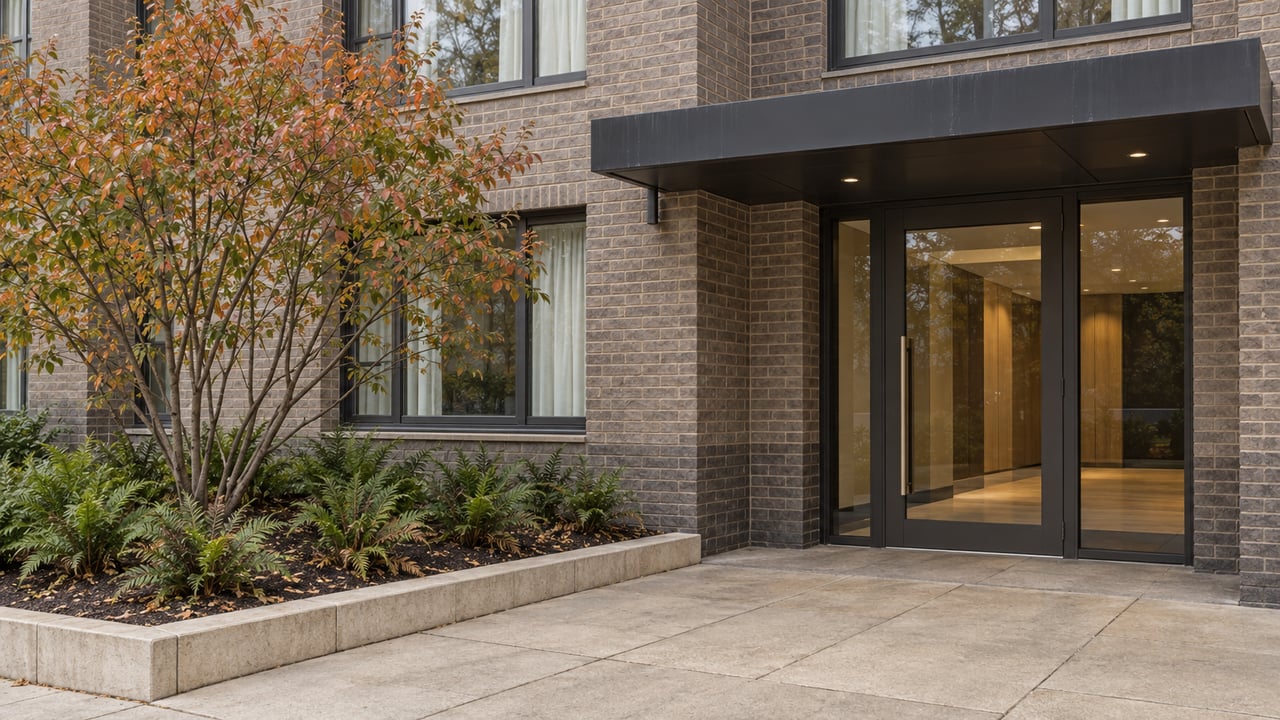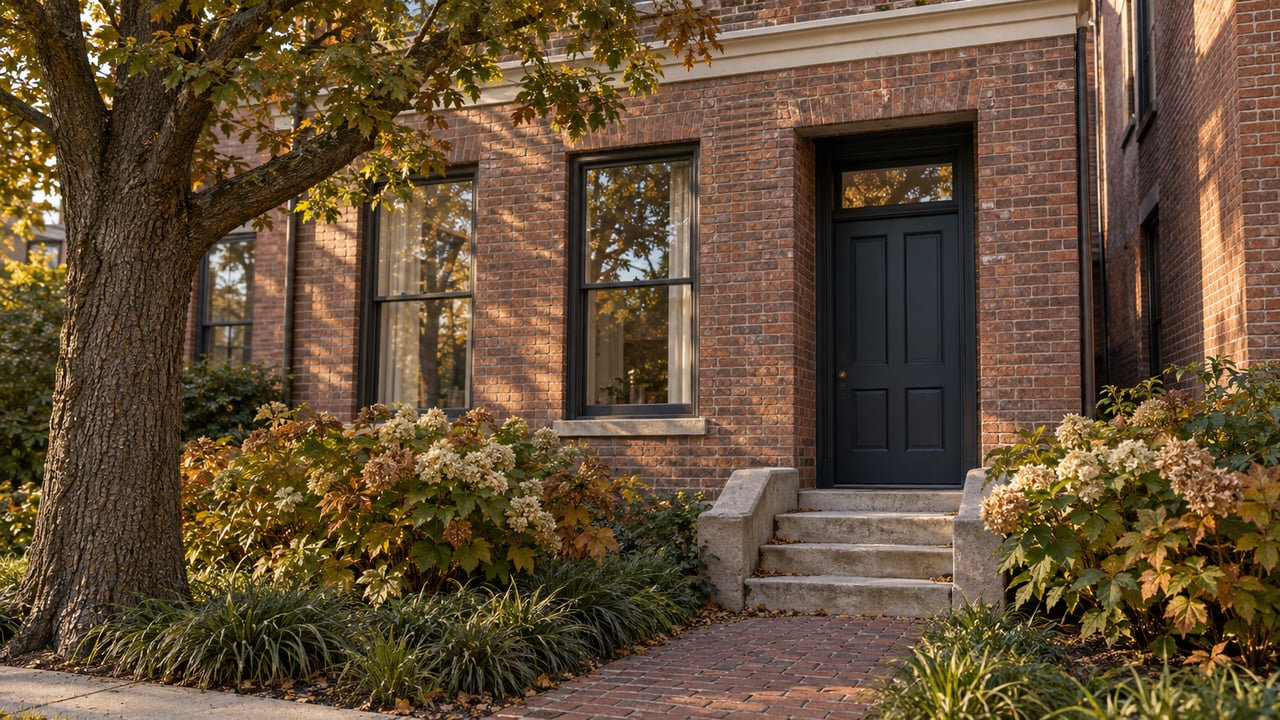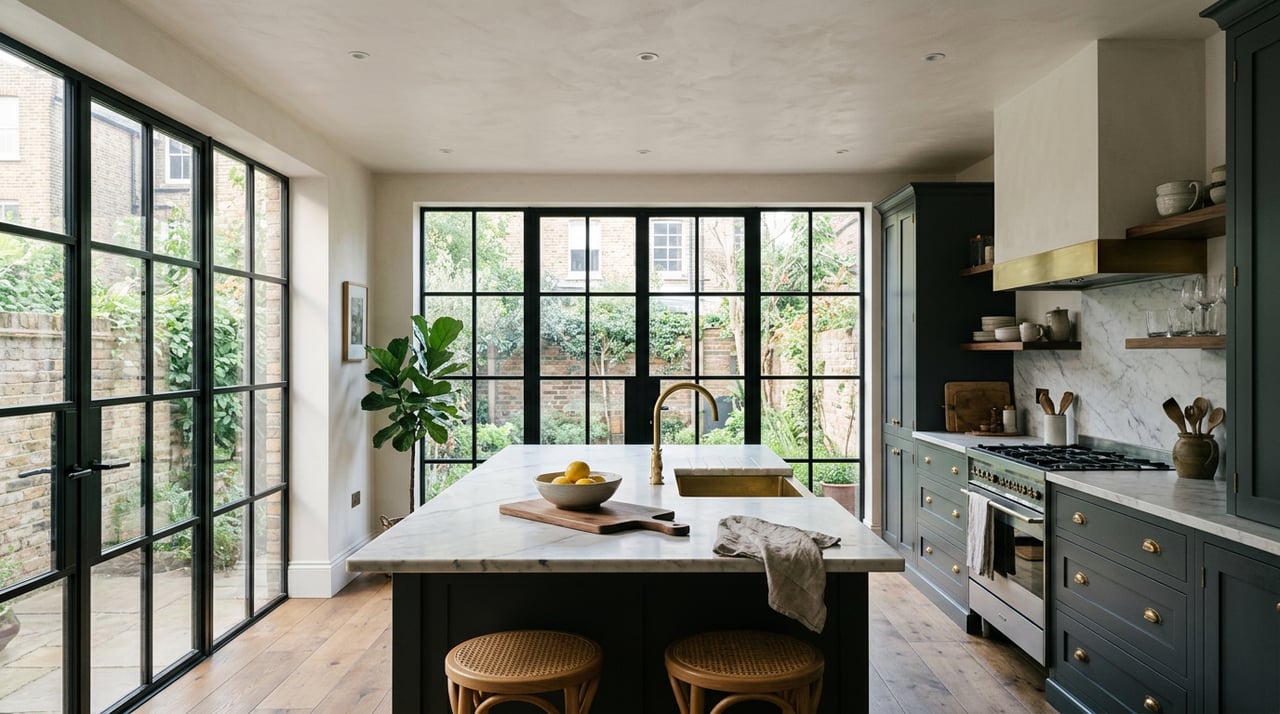
Thinking about a smaller home in Alexandria, but worried it might feel like a step down? You are not alone. Many homeowners want less upkeep without giving up the walkability, convenience, and everyday enjoyment that made them love Alexandria in the first place. The good news is that downsizing here can be a lifestyle move, not a sacrifice, if you plan carefully and choose the right fit. Let’s dive in.
Why Alexandria Works for Downsizers
Alexandria offers a rare mix of convenience and livability that can make downsizing feel practical and rewarding. The City has made older-adult livability a current policy focus through its Age-Friendly Plan for a Livable Community 2026-2029, building on earlier work that made Alexandria the first age-friendly jurisdiction in Virginia.
That focus reflects real local change. Residents age 65 and older grew from 9% of the population in 2010 to 13% in 2023, and the median age rose from 35.7 to 37.5. In City data, older residents identified safe, healthy, affordable housing as a priority, while public transportation and parks and green space stood out as community strengths.
For you, that matters because downsizing is not only about square footage. It is about whether your next home supports the way you want to live day to day. In Alexandria, a smaller home can still keep you connected to transit, recreation, and the routines you enjoy.
Keep the Lifestyle, Shrink the Footprint
One of Alexandria’s biggest strengths is that you can often do more with less space. The City says DASH connects destinations within Alexandria and links to Metrobus, Metrorail, VRE, and other local systems. All DASH buses are accessible to people with disabilities, and City materials also note that Alexandria has five Metro stations.
That kind of transit access can be a major advantage when you are weighing a move. If your next home is close to bus or rail service, you may be able to keep a car-light routine while reducing home maintenance and utility costs.
Lifestyle also extends beyond transportation. Alexandria’s parks system includes more than 900 acres of parks and public spaces, 20 miles of trails, 10 community recreation centers, indoor and outdoor pools, and a waterfront district with 23 acres of parks, trails, shops, dining, historic sites, and a public marina.
When you choose the right location, those amenities can become an extension of your home. A smaller kitchen or living room may feel less limiting when you have trails, parks, waterfront paths, and community spaces woven into your weekly routine.
What Downsizing Looks Like in Alexandria
Alexandria’s housing mix shapes the downsizing conversation in a very local way. City Housing 2040 materials say there were about 20,600 condominium units in 2025, making up roughly 48% of ownership units. That means condos play a major role in the ownership market here.
Townhomes and other attached homes also remain central to the city’s housing stock. For many downsizers, that creates more options than a market dominated by large detached homes. You may be able to choose between a condo with lower day-to-day maintenance or a townhome that preserves a bit more privacy and storage.
Price points also vary sharply by property type. As of January 1, 2025, the City reported an average assessment of $1,001,336 for a single-family home and $447,612 for a condominium, while the average existing residential property overall was assessed at $729,925.
Those numbers help explain why downsizers often focus on condos and attached homes. Moving into a smaller property can free you from some maintenance burdens, but it also requires close attention to the full cost picture.
Condo vs. Townhome Tradeoffs
A condo can be an appealing option if you want simpler daily upkeep and strong access to Alexandria amenities. City materials note that established condominiums can be among the most affordable entry points into ownership.
Still, list price is only part of the story. The City also notes that condo fees and special assessments are important affordability issues, and Housing 2040 discussions raised concerns about governance, reserves, and construction issues in Alexandria condominium communities.
A townhome may offer a different balance. You may gain more control over your property and potentially avoid some of the governance issues common in condo communities, but you may also take on more direct maintenance responsibilities and, depending on the layout, more stairs.
The right answer depends on your priorities. If you want a lock-and-leave lifestyle, a condo may be worth a closer look. If you want a little more separation and flexibility, a townhome may align better.
Prioritize Accessibility and Future Fit
A home that works well today should also support you in the years ahead. Research cited in the report shows that most seniors prefer to age in place, either in their current home or in affordable, age-appropriate housing options within their community.
That is especially important when comparing older townhomes, rowhouses, and condominium buildings. Multi-level layouts, elevated entrances, narrow floorplans, stairs, bathrooms, entryways, and laundry areas can all affect day-to-day comfort and long-term usability.
As you evaluate options, consider questions like these:
- Is there a main-level bedroom or easy sleeping arrangement?
- How many stairs do you need to use every day?
- Is the entry simple to navigate?
- Are bathrooms large enough to adapt if needed?
- Is laundry convenient?
- Does the building or community support accessible living?
Alexandria’s Aging and Adult Services resources can also be relevant as you plan ahead. The City points residents to independent housing information, home modification programs, homeownership assistance, and a Home-based Care Program for eligible adults over 60 or adults with severe disabilities.
Watch the Real Cost of Ownership
Downsizing can lower your maintenance burden, but that does not automatically mean your monthly costs will fall. In Alexandria, condo fees often cover property maintenance, capital improvements, and some utilities. That may simplify your budget, but it can also change how much flexibility you have from month to month.
Before you buy, look beyond the asking price and review the broader ownership structure. In condo communities especially, it is wise to understand current fees, the reserve picture, and whether major building work may affect future costs.
A practical comparison can help:
| Home Type | Potential Advantages | Key Cost Questions |
|---|---|---|
| Condominium | Lower day-to-day upkeep, often lower purchase price, amenity access | Monthly condo fee, reserves, special assessments, building condition |
| Townhome | More privacy, more control, often more storage | Exterior maintenance, possible stairs, HOA costs if applicable |
This is where local guidance matters. In a market with many older condo communities, due diligence is not a minor step. It is part of protecting your lifestyle after the move.
Start Earlier Than You Think
A successful downsizing move usually begins well before you list your current home. AARP’s seller-prep checklist recommends starting early, with decluttering and storage planning beginning about a year before the sale.
That kind of runway can make the process feel far less overwhelming. Instead of trying to sort a whole house in one burst, AARP recommends small, repeatable sessions, such as 10 minutes a day, along with specific and realistic goals.
A simple prep timeline may look like this:
- About 1 year out: Start decluttering and create a storage plan.
- About 6 months out: Select your Realtor and begin planning presentation strategy.
- Final months: Tackle fix-it items, curb appeal, and deeper editing of the home.
If you are moving from a larger property into a condo or smaller townhome, this early work matters even more. The more intentional you are about what stays, what goes, and what should be staged for sale, the smoother the transition will feel.
Historic Rules Can Affect Timing
If your current home is in one of Alexandria’s locally regulated historic districts, your sale prep timeline may need extra care. In Old and Historic Alexandria and Parker-Gray, a Certificate of Appropriateness is required for exterior alterations visible from a public right of way.
Interior work does not require Board of Architectural Review approval. The City says complete applications should be submitted at least 30 days before the hearing date, while many smaller projects can be approved administratively in less than five business days.
That timing can affect seemingly simple pre-listing updates. If you are considering exterior work before selling, it helps to identify early what needs review and what does not.
Use Design to Make Downsizing Easier
Downsizing works best when it is not treated as just a move, but as a thoughtful reset. That is especially true in Alexandria, where older homes, historic context, and compact floorplans can make presentation and space planning more nuanced.
A design-forward approach can help you decide what to keep, what to store, what to donate, and what to highlight for buyers. It can also help you prepare your current home to feel clear, spacious, and market-ready while keeping your next move in mind.
For some homeowners, repair and accessibility improvements may also be worth exploring before or after the move. The City’s Home Rehabilitation Loan Program can provide eligible households with no-interest, deferred-payment loans for repairs and improvements tied to health, safety, or accessibility needs, with support for up to $135,000 in construction costs according to the City’s homeowner resources page.
The goal is not to give up your lifestyle. It is to shape your next chapter around the parts of Alexandria you value most, while letting go of space and upkeep that no longer serve you.
If you are considering a move within Alexandria, the right plan can help you simplify without losing what makes living here special. For thoughtful guidance on timing, presentation, and finding a home that fits the way you want to live, connect with Kristen Jones Real Estate.
FAQs
What makes Alexandria a good place to downsize?
- Alexandria offers strong transit connections, more than 900 acres of parks and public spaces, 20 miles of trails, 10 community recreation centers, and a waterfront district, which can help you maintain an active lifestyle in a smaller home.
What should you review before buying a condo in Alexandria?
- You should look beyond the purchase price and review condo fees, reserves, possible special assessments, building condition, and how the community is governed.
How do Alexandria townhomes compare with condos for downsizers?
- Townhomes may offer more privacy and control, while condos may offer lower day-to-day upkeep, so the better fit depends on your budget, mobility needs, and maintenance preferences.
How early should you start downsizing before selling a home in Alexandria?
- AARP guidance in the research suggests starting about a year ahead with decluttering and storage planning, choosing a Realtor about six months before listing, and using the final months for repairs and presentation.
What historic district rules can affect a home sale in Alexandria?
- In locally regulated historic districts such as Old and Historic Alexandria and Parker-Gray, exterior changes visible from a public right of way may require a Certificate of Appropriateness, while interior work does not require BAR approval.
What accessibility features matter when downsizing in Alexandria?
- It helps to focus on entry access, stair use, bathroom layout, laundry location, and whether the home can support comfortable living over time.