Looking for a place that feels connected and convenient without feeling overwhelming? Falls Church offers a rare balance in Northern Virginia: a compact city with a true civic core, walkable daily life, and easy access to Washington, D.C. If you are weighing where to buy in the close-in NoVA market, this guide will help you understand what makes Falls Church stand out, what kinds of homes you will find, and what details matter before you make a move. Let’s dive in.
Why buyers notice Falls Church
Falls Church is its own independent city, not a neighborhood within Fairfax or Arlington. According to the city’s 2025 Community Profile, it covers about 2.0 square miles and sits inside the Capital Beltway, about seven miles west of Washington, D.C. That small footprint is a big part of the appeal.
You get a place that feels local and easy to navigate, yet still plugged into the larger region. The city consistently leans into that identity, describing Falls Church as a place with a small-town atmosphere and urban amenities. For many buyers, that combination is hard to find.
The lifestyle piece is not just branding. In the city’s 2025 Community Survey, 94% of respondents rated quality of life as good or excellent, and the top traits residents liked most were walkability and small-town feel. That tells you a lot about what daily life actually feels like here.
Small-city feel in daily life
In Falls Church, the sense of place comes from how the city works day to day. Sidewalks, crosswalks, parks, trails, and streets ranked among the most important city services in the same community survey. That helps explain why the city feels so livable in practical terms, not just charming on paper.
For a buyer, that can translate into easier routines. You may be able to run errands, meet friends, enjoy green space, or spend a Saturday morning downtown without planning your whole day around driving. In a region known for traffic and long commutes, that convenience carries real value.
Falls Church also has a strong civic identity for a city its size. The community profile highlights walkable neighborhoods, cultural attractions, historic buildings and sites, attractive streetscapes, and community-focused businesses. That mix creates an environment that feels active and established rather than purely residential.
Housing options in Falls Church
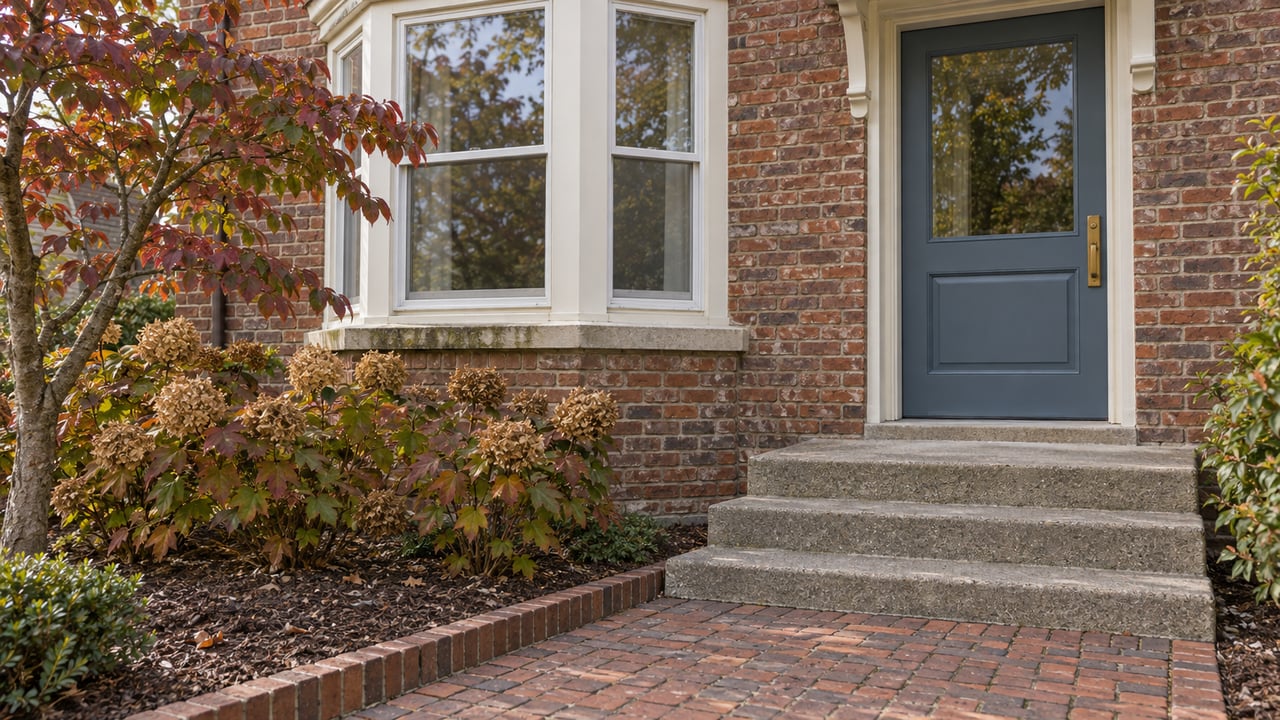
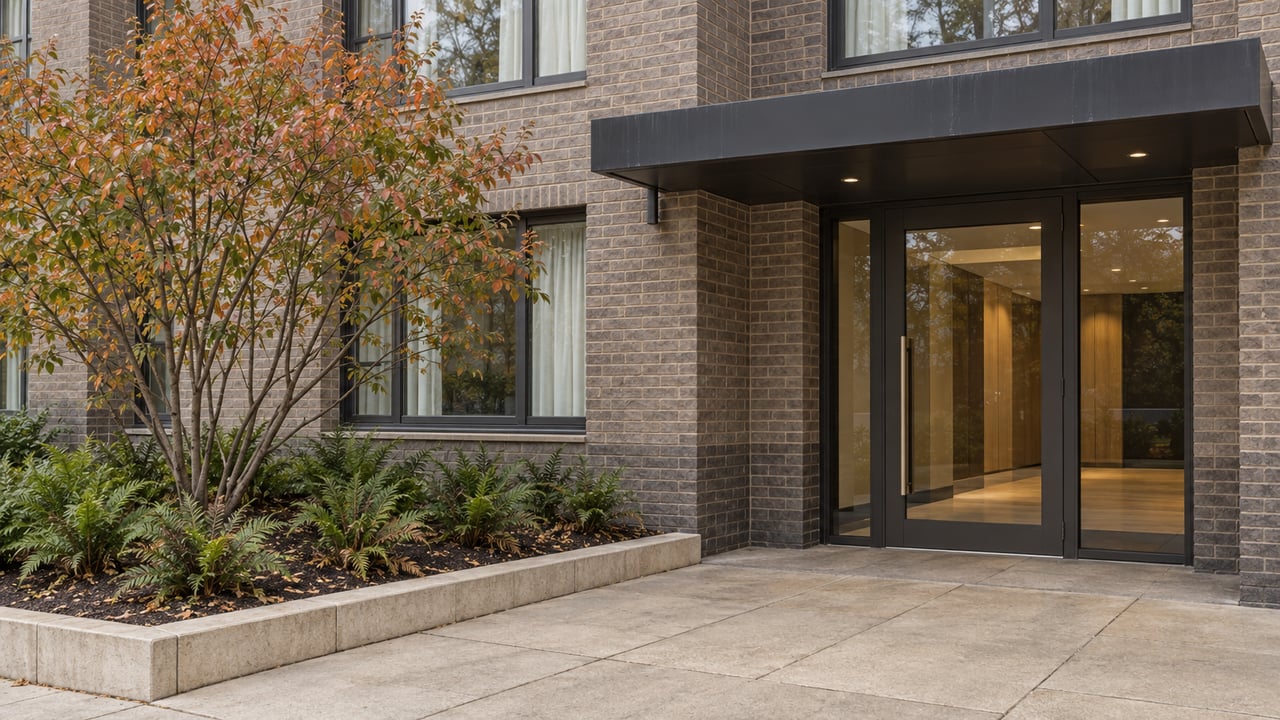
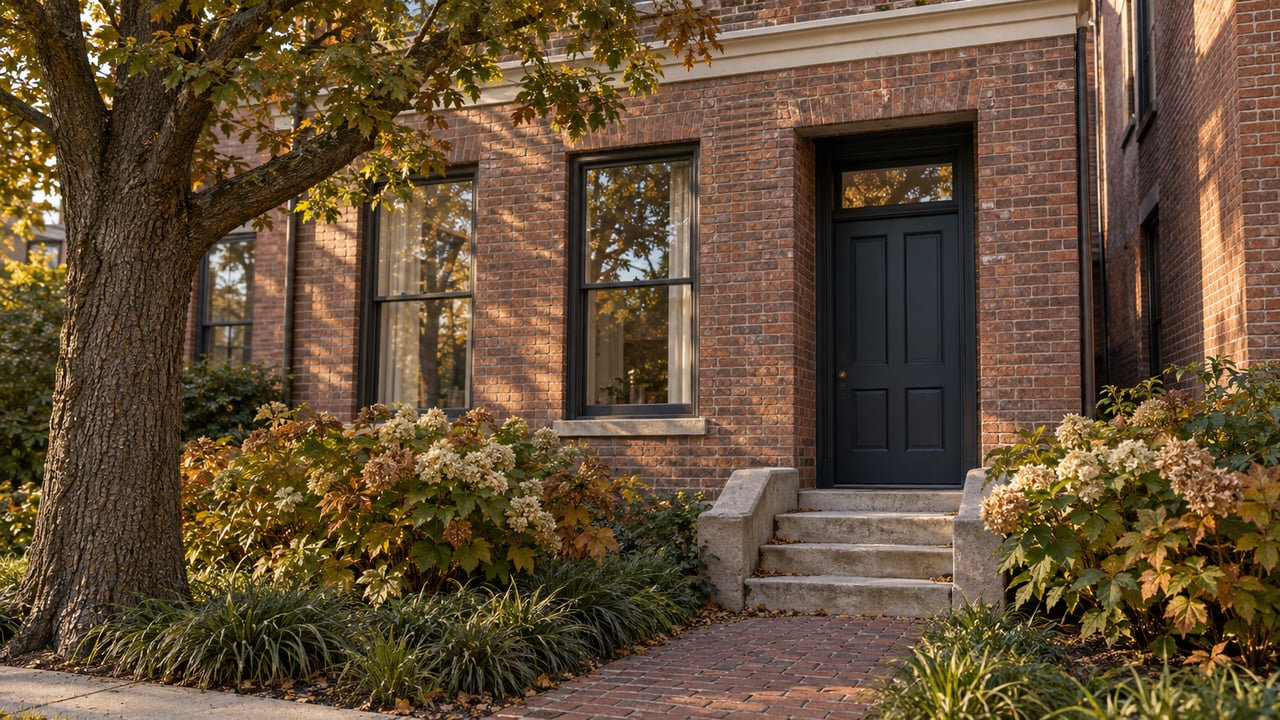
One of the biggest strengths of Falls Church is that it offers more than one kind of buyer experience. The city’s 2025 Community Profile reports 6,630 total housing units, including 2,280 single-family detached homes, 633 single-family attached homes, and 3,411 multifamily apartment units. In fact, 54.6% of the city’s housing stock is multifamily.
That means Falls Church can work for different stages of life and different priorities. If you want a detached home in a close-in location, there are options. If you prefer a condo, apartment-style home, or townhome lifestyle with less maintenance, that is part of the city’s housing mix too.
The city has also been adding more flexible housing types. Its Accessory Dwellings Update notes that detached accessory dwellings are now allowed, and the 2025 Community Profile says 65 new permanent Affordable Dwelling Units were completed in 2024, with 34 more expected in 2025. For buyers, that points to a market that is trying to widen the range of available housing rather than staying locked into one format.
What to know about pricing
Falls Church is firmly in the higher-cost tier for close-in Northern Virginia. The U.S. Census Bureau’s QuickFacts for Falls Church city lists a median value of owner-occupied housing units at $1,055,600 and a median gross rent of $2,190 based on 2020 to 2024 ACS data. Those numbers help set expectations if you are comparing Falls Church with other nearby communities.
The same QuickFacts data also shows a median household income of $143,262 and per capita income of $88,790. In other words, the city’s pricing tends to align with a higher-income, close-in market where access, convenience, and limited land all shape value.
For buyers, this means your search strategy matters. Product type, condition, layout, and exact location can have a major impact on what fits your budget. In a compact city, even small differences can shape both price point and lifestyle.
Amenities that define the city
Falls Church has an unusually dense lineup of amenities for a place this small. The city’s community profile points to local anchors like Big Chimneys Park, Mr. Brown’s Park, Cherry Hill Farmhouse and Park, Mary Riley Styles Public Library, the Tinner Hill Historic Site, Monument, and Mural, and the D.C. Boundary Stones. These places help give the city a sense of texture and identity.
One of the most visible gathering places is the Falls Church Farmers Market. The city describes it as award-winning and year-round, and the community profile says it draws roughly 450 to 1,200 visitors each week. That kind of regular activity makes downtown feel like a community hub, not just a commercial strip.
Another major draw is Eden Center, which the city describes as the largest Vietnamese shopping center on the East Coast. With more than 120 businesses noted by Visit Falls Church, it gives the area a strong food and retail identity that stands out in the region. If you value access to restaurants, specialty shops, and everyday convenience, this is a real part of Falls Church’s appeal.
Parks, trails, and outdoor access
If you want close-in living without giving up outdoor time, Falls Church has a strong case. The city notes that about 2 miles of the W&OD Trail run through Falls Church, connecting into the broader 45-mile regional trail. For many buyers, that adds another layer of convenience for recreation, exercise, and local mobility.
The city also highlights neighborhood green spaces like Cherry Hill Park and other local parks on its community page. These spaces help balance the city’s compact footprint with room to get outside. That matters if you want a more urban-accessible lifestyle that still feels comfortable and grounded.
The broader livability story is strong too. In the 2025 Community Profile, AARP livability metrics showed especially strong access to parks, grocery stores, and farmers markets. For buyers, that supports the idea that convenience here is built into the fabric of daily life.
Commute and regional access
Falls Church earns a lot of attention because of how well connected it is. The city says it is easily reached via I-66 and Route 50, and the community profile also names Broad Street/Route 7, Washington Street/Route 29, and the Dulles Toll Road as key regional links. That gives buyers practical access to Washington, Arlington, Tysons, Alexandria, and other employment centers across Northern Virginia.
Transit access is part of the story too, with an important detail to understand. Visit Falls Church notes that East Falls Church serves the Orange and Silver lines and West Falls Church serves the Orange Line, but the city also makes clear that neither Metro station is actually within the city boundary. They are close and useful, but not technically inside the city itself.
That nuance matters when you are evaluating location and convenience. Depending on the property, you may have quick access to Metro, bus service, roads, biking, or a combination of all four. The city’s 2025 profile reports a walkability index of 15.91 out of 20 and local transit service measured at 28 buses and trains per hour, which reinforces the multi-modal appeal.
For many buyers, flexibility is the key advantage. Census QuickFacts lists the mean travel time to work at 28.7 minutes, and the city profile notes that the share of residents working from home rose to 30.5% in 2023. Whether you commute daily, hybrid, or mostly remote, Falls Church offers options that support different routines.
One detail buyers should verify
There is one very practical point that can save you confusion during your search. Not every property with a Falls Church mailing address is actually located in the City of Falls Church. The city’s address finder explains that some Falls Church addresses are in Fairfax County.
That means you should verify the jurisdiction before assuming a home is in the city proper. This can affect how you think about location, local services, and your overall search criteria. In a market where city identity is part of the appeal, that distinction is worth checking early.
Is Falls Church right for you?
Falls Church tends to appeal to buyers who want strong access without sacrificing a neighborhood feel. It offers a compact setting, a real mix of housing types, a lively amenity base, and daily-life convenience that shows up in everything from the farmers market to trails to regional connections. If you want to stay close to D.C. while living in a place that feels more personal and community-oriented, it deserves a serious look.
It can also work well if you are comparing different lifestyle priorities. Some buyers are drawn to the walkable civic core. Others focus on the housing mix, the access to parks and trails, or the ability to reach multiple job centers with relative ease. The right fit depends on your goals, but Falls Church offers more range than many buyers expect.
If you are considering a move in Northern Virginia and want thoughtful guidance on how Falls Church compares with other close-in options, Kristen Jones Real Estate brings a boutique, client-first approach backed by deep local market knowledge and concierge-level service.
FAQs
What makes Falls Church, VA feel like a small city?
- Falls Church is an independent city of about 2.05 square miles, and city survey results show residents strongly value its walkability and small-town feel.
What types of homes can buyers find in Falls Church, VA?
- Buyers can find a mix of single-family detached homes, attached homes, and multifamily housing, with more than half of the city’s housing stock classified as multifamily.
How expensive is housing in Falls Church, VA?
- U.S. Census QuickFacts reports a median owner-occupied home value of $1,055,600, which places Falls Church in the higher-cost tier of close-in Northern Virginia markets.
How convenient is commuting from Falls Church, VA?
- Falls Church has strong road access, nearby Metro connections, bus service, bikeshare options, and a reported mean travel time to work of 28.7 minutes.
Are all Falls Church addresses inside the City of Falls Church?
- No. The city notes that some properties with Falls Church mailing addresses are actually located in Fairfax County, so buyers should verify jurisdiction during their search.
What amenities stand out for homebuyers in Falls Church, VA?
- Signature amenities include the year-round Falls Church Farmers Market, Eden Center, neighborhood parks, the W&OD Trail, and a compact, walkable downtown environment.