Should you inspect a home before you even make an offer? In Alexandria’s fast-moving market, that choice can shape your leverage, your budget, and your peace of mind. You want clarity without losing momentum, and you do not want surprises once you are under contract. This guide shows you when pre-inspections make sense, what they uncover locally, and how to use the results to protect your interests. Let’s dive in.
What a pre-inspection is
Pre-offer basics
A pre-offer inspection is a buyer-ordered inspection completed before you submit your offer. It can cover the full home or focus on major systems and structure. The goal is to remove unknowns so you can write a stronger, more confident offer and decide if waiving an inspection contingency is realistic for you.
Pre-listing basics
A pre-listing inspection is a seller-ordered inspection done before the home goes on the market. You identify issues early, address key repairs, and present documentation up front. This often reduces post-inspection renegotiation and can speed closing.
When it makes sense in Alexandria
For buyers
Alexandria sees different levels of competition by neighborhood and price point. Pre-offer inspections often make sense when:
- You are considering a property with slightly longer days on market or more inventory in its segment.
- You are comfortable waiving or narrowing an inspection contingency only after reviewing professional findings.
- You value certainty over a marginally lower price and want to sharpen your offer terms.
For sellers
Pre-listing inspections help you lead the process, especially when:
- Buyers expect turnkey condition or quick closings in your area.
- The home is older or has deferred maintenance and you plan to complete targeted repairs for a smoother sale.
- You want to sell as-is while providing clear documentation of condition.
Pros and cons at a glance
Pre-offer inspection
- Pros: Increases confidence, clarifies repair costs, supports stronger terms, can focus on major systems to save time.
- Cons: Up-front cost and timing, no guarantee of winning the property, sellers may limit access in highly competitive situations.
Pre-listing inspection
- Pros: Reduces surprises, streamlines negotiation, helps you price or repair proactively, can increase certainty of closing.
- Cons: Up-front cost, potential pressure to address items or adjust price once documented.
How findings affect deals
Negotiation options
Inspection results typically lead to one of a few outcomes:
- Seller completes repairs before closing.
- Seller provides a credit or price reduction in lieu of repairs.
- Buyer accepts the current condition and proceeds.
- Buyer requests specific licensed repairs with documentation.
- Buyer terminates under an inspection contingency if major issues appear.
Contract timing
Most contracts include a defined inspection period with options to request repairs, accept as-is, ask for credits, or terminate within set timelines. Sellers may prefer offers with limited inspection rights or as-is terms. Even then, buyers often still conduct certain inspections and negotiate if significant, undisclosed defects surface.
Financing and insurance
Some lenders or loan programs require specific inspections or proof of repair completion by licensed professionals. Findings such as roof condition, water damage, or flood risk can also affect insurance underwriting and premiums. If a property is in a flood zone, flood insurance requirements may apply.
Local issues to watch
Older homes and historic districts
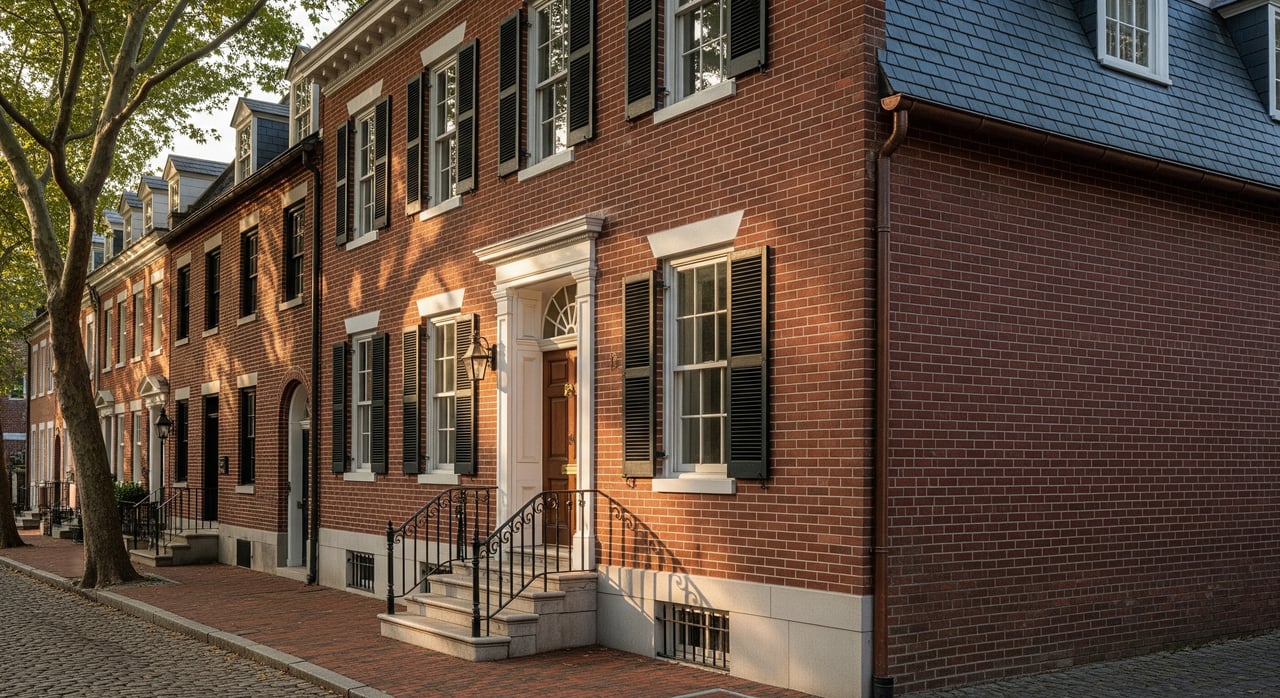
In parts of Old Town and other historic areas, you may encounter original materials and older systems. Exterior changes can be subject to historic-preservation review and permit rules. Expect inspectors to flag aging plumbing and electrical systems, and be prepared for specialized advice if preservation concerns arise.
Water, drainage, and flood
Alexandria includes low-lying and coastal floodplain areas influenced by the Potomac River and tidal patterns. Inspectors look for grading and drainage issues, moisture intrusion, and foundation impacts. Flood status can affect insurance and loan requirements; factor this into your diligence and budgeting.
Systems and pests
The regional climate supports termite activity, so wood-destroying organism inspections are common and sometimes lender required. Aging HVAC systems, ungrounded or older wiring, and older plumbing types can appear in long-established neighborhoods. Identifying these early helps you plan repair or upgrade timelines.
Sewer lines and chimneys
Older neighborhoods may have clay sewer pipes that are prone to root intrusion or blockages. A sewer-scope camera inspection is a smart add-on, especially near mature trees. Roofs and chimneys on older townhomes and detached houses often show wear at flashing and dormers, which can become bigger issues if left unaddressed.
Specialty inspections to consider
- WDO/termite: Common in the Mid-Atlantic and sometimes required by lenders.
- Sewer scope: Important for older homes, clay lines, or heavy tree cover.
- Radon test: Inexpensive peace of mind, especially with basements or lower levels.
- Roof, chimney, HVAC: Targeted checks when age or symptoms suggest concern.
- Mold or indoor air quality: If moisture or musty odors are present.
- Lead and asbestos testing: Relevant for pre-1978 homes and certain materials.
- Structural engineer: When movement, settlement, or load-bearing questions arise.
Choosing the right inspector
- Licensing and credentials: Confirm current Virginia licensing or registration.
- Local experience: Prioritize inspectors who know Alexandria’s housing stock and common defects.
- Sample report: Review clarity, photos, and issue prioritization before you hire.
- References and reviews: Ask for recent local references and read current feedback.
- Scope clarity: Confirm what is included and what requires a specialist, like radon or sewer scopes.
Smart strategies by market segment
Highly competitive segments
When homes receive multiple offers quickly, sellers may favor clean terms and shorter timelines. If you are a buyer who wants the home and is considering waiving an inspection contingency, a pre-offer inspection can provide the confidence to act, or it may save you from overcommitting if serious issues surface. If access is limited, focus on targeted, major-systems checks.
Balanced or slower segments
If days on market are longer, you may have room for a traditional inspection contingency. A pre-offer inspection can still help you price the work, request credits, or avoid surprises. For sellers, a pre-listing inspection can position your home above competing listings by removing friction and showing clear documentation of repairs.
Buyer pre-offer playbook
- Clarify goals and risk tolerance. Decide whether you are aiming to waive or narrow an inspection contingency only if findings support it.
- Ask for access early. Your agent can request permission for a pre-offer or limited major-systems inspection.
- Select the right scope. Prioritize structure, roof, HVAC, electrical, plumbing, moisture, and drainage. Add a WDO and sewer scope when appropriate.
- Price the findings. Use quotes or ranges to estimate repairs and set your offer terms, credits, or walk-away threshold.
- Write a strategic offer. Consider including a summary of findings to show diligence and seriousness, while keeping your terms competitive.
Seller pre-listing playbook
- Assess likely objections. Older systems, moisture, drainage, roof age, and pest risks are common buyer concerns.
- Order a general inspection. Add WDO and sewer scope for older properties or where risk suggests it.
- Triage repairs. Focus on safety items, moisture management, and high-visibility fixes that can derail buyer confidence.
- Document the work. Keep receipts, permits, and contractor details for buyers and lenders.
- Market the condition. Share inspection summaries and repair documentation to reduce renegotiation and speed closing.
Compliance and disclosure basics
For pre-1978 homes, federal law requires sellers and landlords to provide lead-based paint disclosures and any available records to buyers or tenants. Virginia oversees licensing and standards for home inspectors. Historic districts in Alexandria have preservation guidelines for exterior work that can influence repair scope and timing. If flood zones apply, expect related insurance and lender considerations.
The bottom line
Pre-inspections in Alexandria are not one-size-fits-all. In competitive segments, a pre-offer inspection can give you the confidence to tighten terms or the clarity to step back. For sellers, a pre-listing inspection often means fewer surprises and a smoother path to the closing table. The key is aligning your inspection strategy with the property, the neighborhood dynamics, and your risk tolerance.
If you want a tailored plan for your next move in Old Town, Del Ray, the West End, or anywhere in Alexandria, reach out to Kristen Jones Real Estate for local guidance and a clear action plan. Ready to talk through your options? Connect with Kristen Jones Real Estate.
FAQs
What is a pre-offer inspection in Alexandria?
- A pre-offer inspection is a buyer-ordered review of the home before submitting an offer, often focused on major systems and structure to inform pricing and terms.
Should I get a pre-listing inspection before selling?
- Yes if you want fewer surprises, faster negotiations, and documentation to support your price, especially for older homes or when buyers expect turnkey condition.
Are termite inspections required in Virginia?
- Requirements vary by lender and contract, but WDO or termite reports are commonly requested by lenders and buyers in the Mid-Atlantic.
How do inspection findings affect financing?
- Lenders may require certain inspections or proof of licensed repairs before closing. Findings can also influence homeowners insurance and flood insurance requirements.
What if the home is in a historic district?
- Expect preservation rules for exterior changes and potential recommendations for specialty consultants. Older systems and materials often require targeted advice.
Is radon testing common in Alexandria?
- Radon risk varies by property, but testing is inexpensive and often recommended, especially with basements or lower-level living spaces.
How should I choose a home inspector locally?
- Verify Virginia licensing, prioritize Alexandria experience, review a sample report, check references, and confirm what the inspection includes versus what needs a specialist.