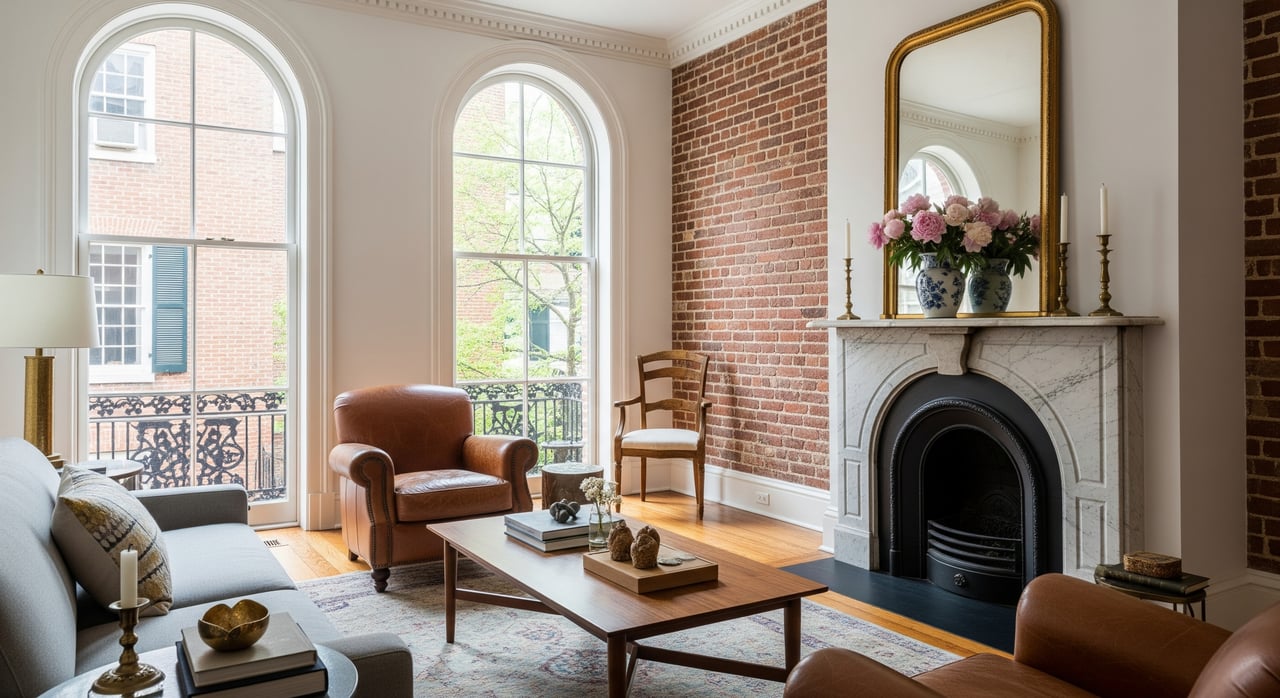
Is your Old Town Alexandria townhome long on character but short on space and light? You are not alone. Buyers love the brick, the moldings, and the walkable lifestyle, yet they often worry about narrow rooms, older systems, and energy efficiency. With a thoughtful, preservation‑sensitive staging plan, you can spotlight what makes your home special and remove doubts before they form. Here is how to stage for maximum impact while respecting Old Town’s historic standards. Let’s dive in.
Why historic‑sensitive staging matters
Old Town is a locally designated historic district. Exterior changes are often reviewed by the City’s Old & Historic Alexandria Board of Architectural Review. Interior staging is usually fine, but anything visible from the street or affixed to historic fabric deserves care. When in doubt, check with the City or the BAR to keep your prep reversible and appropriate. You can start with the City of Alexandria’s resources on the Old & Historic Alexandria Board of Architectural Review.
Buyers here value walkability, period details, and proximity to the waterfront. They also look closely at systems, windows, and room flow. Staging should help them see a well‑cared‑for home, not a project. Your goal is simple: protect and highlight the historic character while presenting a clean, bright, comfortable experience.
Ground rules: protect, preserve, keep it reversible
- Preserve character. Do not cover original floors, mantels, or moldings with heavy rugs or oversized furniture.
- Use reversible methods. Skip adhesives and drilling into historic plaster or wood. Favor tension rods, picture rails, freestanding shelves, and weighted décor.
- Keep styling classic and neutral. Choose timeless silhouettes and light, warm wall colors so buyers can imagine their own furnishings.
- Respect scale and circulation. Use smaller, slimmer furniture to open narrow rooms and keep pathways clear, especially around stairs.
- Prioritize light. Replace heavy drapes with simple Roman shades or lightweight curtains that let natural light in and show off window sash details.
Create a buyer‑focused plan
Address common Old Town buyer concerns with what they see and what you share.
- Systems and maintenance. If you have receipts for HVAC servicing or electrical updates, place copies in a labeled binder for showings. If visible, keep utility areas tidy and accessible.
- Energy comfort. Where appropriate, consider insulated shades and draft stoppers that do not alter windows permanently. For broader guidance on preservation‑friendly energy improvements, review the National Park Service’s Technical Preservation Services.
- Small rooms and tight stairs. Use right‑sized furniture, mirrors, and layered lighting. Show clear circulation from entry to parlor to kitchen.
- Flood awareness. If you are near the waterfront, confirm your property’s floodplain status and have documentation ready. Buyers appreciate proactive transparency. You can verify your address using FEMA’s Flood Map Service Center.
- Documentation. Prepare inspection reports, permits, and receipts for recent work. A clean paper trail builds confidence and supports what buyers see during showings.
Room‑by‑room staging playbook
Entry and stair
First impressions start at the stoop and front hall. Keep both welcoming and uncluttered.
- Add a slim console with a small lamp and a mirror to bounce light and extend sightlines.
- Use a runner cut to stair width, secured for safety. Keep the rail and newel visible.
- Remove bulky coat trees and shoe racks. If needed, use baskets inside a closet to hide daily items.
Living room or parlor
Make the fireplace, trim, and windows the star. Aim for a calm conversation zone.
- Choose a small sofa or a pair of tight‑back chairs with a petite coffee table.
- Keep mantels minimal. A single mirror or artwork above, plus two simple objects. Do not block the firebox.
- Angle lighting to highlight millwork and bookcases. Avoid tall pieces that cut off sightlines to the stairs.
Kitchen
Historic townhomes often have cozy kitchens. Show efficiency and cleanliness.
- Clear counters. One attractive tray with a few essentials is enough.
- If you have period‑appropriate hardware or under‑cabinet lighting, make sure it is working and spotless.
- Style open shelves sparingly with coordinated white or glass dishware to showcase storage.
Bathrooms
Small rooms feel larger when they are bright and simple.
- Use fresh white or light neutral towels and a minimalist shower curtain if glass is not installed.
- Replace overfilled baskets with one small tray and a plant. Keep surfaces dry and spotless.
- If tile or fixtures are original, emphasize care and condition. Antique charm is a selling point when it looks intentionally preserved.
Small rooms and hallways
Scale is everything in narrow spaces.
- Choose slim desks, petite dressers, and armless chairs.
- Add mirrors and vertical art to stretch the walls visually.
- Use small‑scale runners instead of heavy area rugs that break up sightlines.
Basements, cellars, and attics
Make every square foot feel useful.
- Clear debris and add basic task lighting. Showcase tidy zones for laundry, storage, or a small workshop.
- If you use a dehumidifier or have a sump pump, keep the area neat and labeled so buyers can see your preventative care.
Exterior, stoop, and small yard
Old Town is a walking neighborhood. Curb appeal matters.
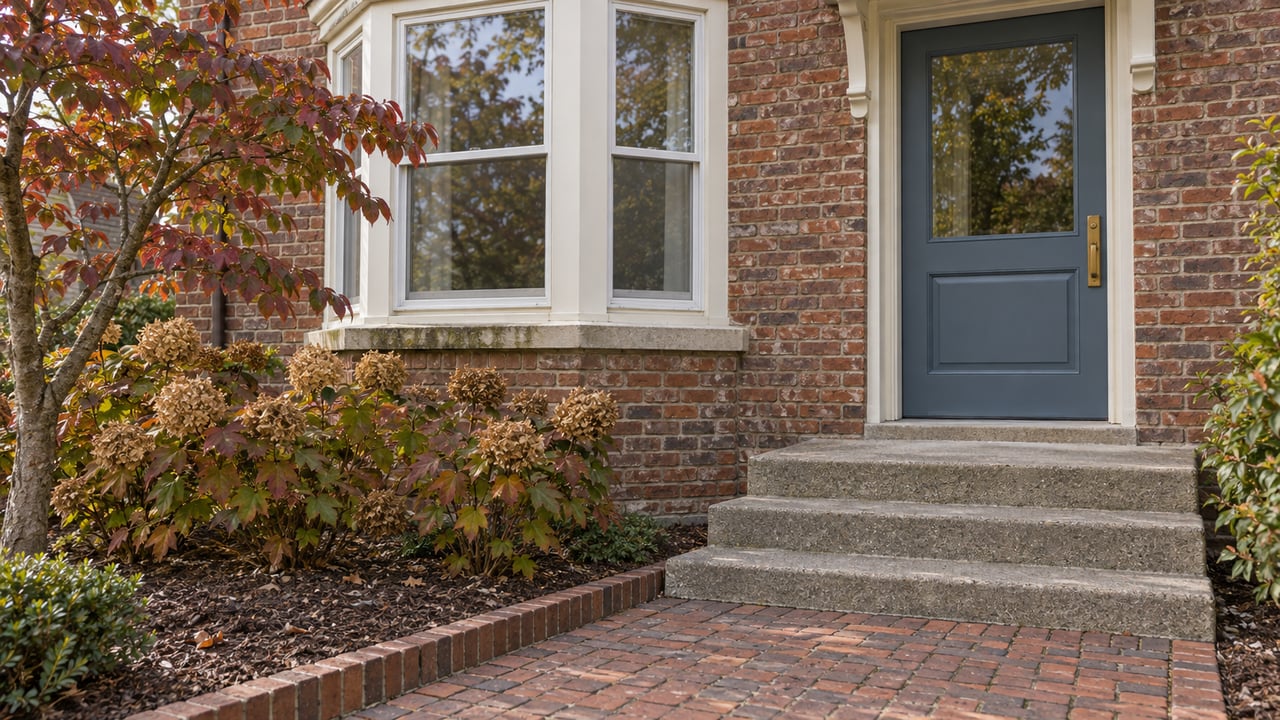
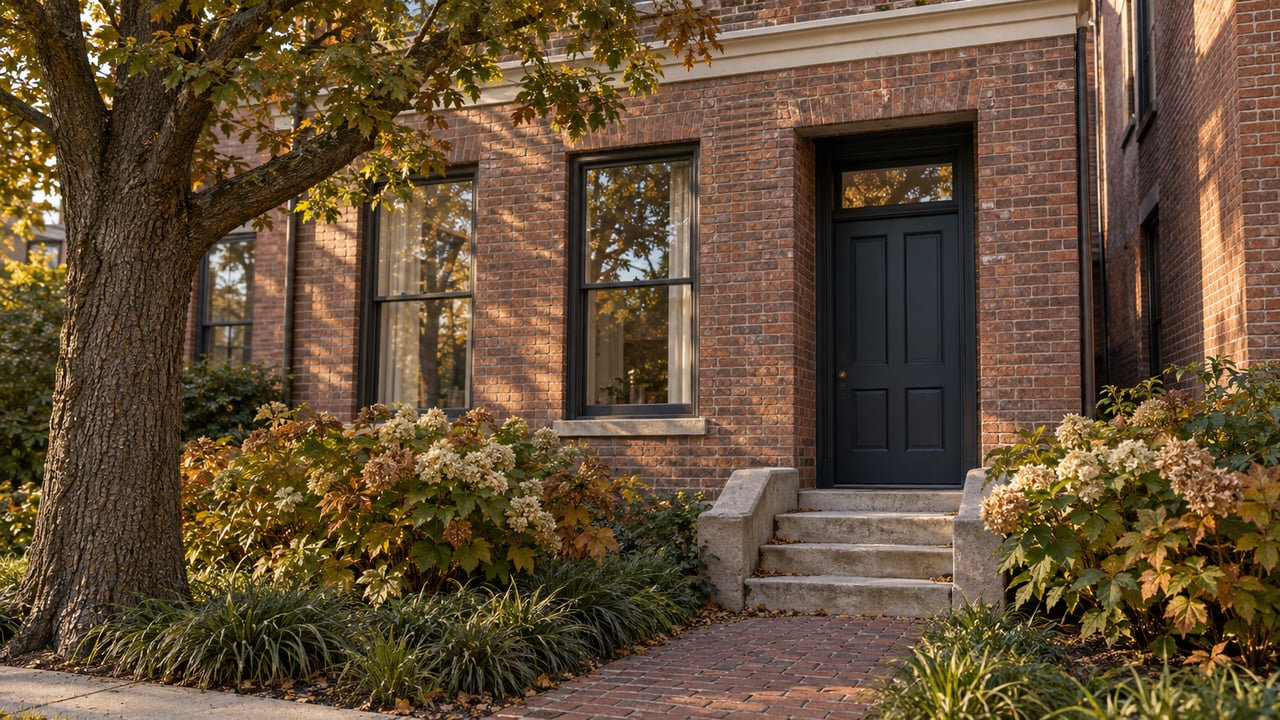
- Stage the stoop with period‑appropriate planters, a classic door mat, and crisp, visible house numbers.
- Keep any exterior staging reversible and compatible with the façade. If you plan temporary signage or banners, confirm rules with the City’s permitting and zoning staff and the BAR. Start with the City of Alexandria.
- In low‑lying areas, consider flood‑aware touches like water‑resistant items on lower levels and provide flood documentation separately for showings.
Styling details that fit Old Town
Elevate presentation with textures and colors that complement historic fabric.
- Color palette. Favor warm neutrals on walls with muted blues or green‑gray accents in pillows and throws.
- Fabrics and textures. Add linens, woven throws, braided or flatweave runners, and leather pieces for an age‑appropriate, durable feel.
- Art and accessories. Use framed historic prints or local scenes in modest sizes. Skip oversized abstracts that dominate small rooms.
- Window treatments. Install simple Roman shades or lightweight curtains hung high to lift the eye and reveal sash and muntin details.
- Floors. Let original wood shine. Use small runners instead of wall‑to‑wall coverings that hide floorboards.
Prep checklist for sellers
Use this quick list to keep your project focused and reversible.
- Declutter and depersonalize throughout the home.
- Gently clean or buff original floors and woodwork; repair minor plaster cracks.
- Set a consistent, light paint plan if needed and patch carefully, avoiding historic fabric damage.
- Layer lighting with table, floor, and accent lamps to brighten corners.
- Replace heavy drapes with simple shades or lightweight panels.
- Curate accessories and art to support, not distract from, period features.
- Gather documentation: inspection report, maintenance records, permits, and any flood information.
Photography, virtual tours, and disclosures
Quality visuals are essential in narrow townhomes. A skilled photographer can balance window light and capture the craftsmanship that makes your home memorable. If you plan to virtually furnish a room, confirm your brokerage and MLS policies so buyers are not misled. Bright MLS covers this region, and you can review guidance through Bright MLS. Always disclose virtual staging and never hide a home’s actual condition.
For deeper preservation guidance and context, explore the Virginia Department of Historic Resources and the National Park Service’s Technical Preservation Services. For stewardship ideas that resonate with buyers who value history, the National Trust for Historic Preservation offers helpful overviews at savingplaces.org.
Logistics, permits, and signage
Because Old Town is a protected district, temporary exterior elements like open‑house signs and banners may be regulated. Confirm requirements with the City’s permitting and zoning staff and consult the Old & Historic Alexandria Board of Architectural Review if anything could impact the exterior appearance. Keep all staging elements easy to remove and compatible with the building’s age and materials.
How we help you go to market
Staging a historic townhome is part art, part logistics. You want precise design choices, fast vendor coordination, and compliance with local standards. That is where a design‑forward, concierge approach makes a difference. We pair local know‑how with hands‑on staging advisory, trusted vendors, and strategic marketing so your home presents beautifully and sells with confidence.
Ready to talk strategy for your Old Town townhome? Connect with Kristen Jones Real Estate to discuss a tailored staging plan and request a complimentary valuation.
FAQs
Do I need BAR approval for porch décor in Old Town?
- Temporary, reversible décor like potted plants and small seating is usually fine, but exterior changes in the district are often reviewed. When in doubt, consult the City’s resources for the Old & Historic Alexandria Board of Architectural Review at the City of Alexandria.
Will staging hide historic flaws in my townhome?
- No. Staging reduces distractions and highlights strengths. Structural or system issues should be disclosed and supported with inspection reports and receipts to build buyer confidence.
Can I change windows or light fixtures before listing?
- Avoid permanent changes to original exterior features without review. Use reversible lighting and window treatments that complement the period and check preservation guidance through the National Park Service’s Technical Preservation Services.
How much should I invest in staging for Old Town?
- Invest proportionally to your price point and timing. Get quotes from local stagers, prioritize high‑impact rooms, and compare cost to likely market response. Tasteful, preservation‑sensitive staging often increases buyer interest in character homes.
Does staging really help small or narrow rooms?
- Yes. Right‑sized furniture, decluttering, bright window treatments, mirrors, and clear circulation can make small rooms feel larger and more usable without altering historic fabric.