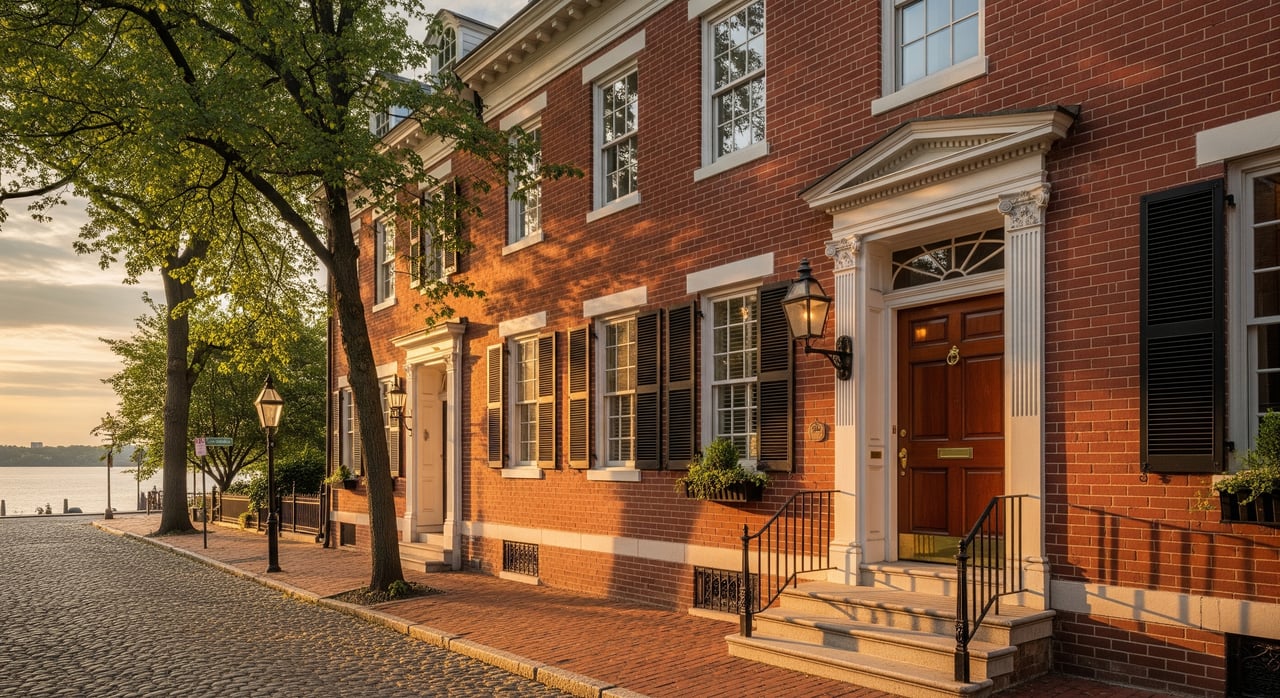
Picture this: you step onto a brick sidewalk, pass a row of historic facades, and grab coffee on King Street before a quick Metro ride into D.C. That blend of old-world charm and modern convenience is the daily rhythm in Old Town Alexandria. If you are weighing a move, you probably want the real story beyond the postcard views. In this guide, you will learn how life actually feels here day to day, from commuting and errands to housing, seasons, and trade-offs. Let’s dive in.
Old Town in a snapshot
Old Town is Alexandria’s historic core along the Potomac River, centered on King Street and the waterfront. You see cobblestone alleys, brick rowhouses, and preserved storefronts that set a strong historic tone. The neighborhood is walkable and mixed use, with shops, restaurants, and services lining the main corridor.
You find a diverse resident mix. Some people have lived here for decades, while many professionals commute to nearby job centers. Families make it work too, though private yard space is limited. Tourist energy is part of the landscape, especially on weekends and during major events.
A week in Old Town: daily life
You can handle most errands on foot. King Street and nearby blocks offer small grocers, bakeries, and specialty shops, with larger supermarkets a short distance away in surrounding parts of Alexandria. Boutiques and local businesses are a daytime draw, and many cater to both residents and visitors.
Dining is varied, from casual cafes to waterfront restaurants and longstanding taverns. Bars and restaurants keep later hours than typical suburban spots, and weekends feel lively. If you enjoy a social street scene, you will have options.
The arts presence is strong. The Torpedo Factory Art Center on the waterfront hosts active artist studios that are open to the public. Small museums and historic sites bring guided tours and history programming into daily view, adding to the sense of place.
Parks and the waterfront are a big part of the lifestyle. Founders Park, Oronoco Bay Park, and the marina area support walking, running, cycling, and boating. You can hop onto the Mount Vernon Trail and connect to a wider regional network for longer rides. Kayaking, paddleboarding, and seasonal water taxi trips add variety when the weather cooperates.
Getting around
Metro and regional rail
The King Street–Old Town Metro station on the Blue and Yellow lines provides direct access to Arlington, the Pentagon, Crystal City, and downtown Washington. Many residents rely on Metro for work. Alexandria’s Amtrak and VRE station sits nearby for regional rail commutes in and out of the city.
Local transit and bikes
DASH buses and WMATA routes serve Old Town with frequent local connections. Capital Bikeshare and other bike and scooter options are available in much of Alexandria, and trail connections make cycling practical for recreation and some commutes.
Driving and parking
Driving for regional trips is straightforward, but limited parking and Old Town’s popularity can complicate quick errands by car. Many blocks use residential permits, and you will find metered parking near commercial areas. Properties with private off-street spaces are prized.
Water taxi and airport access
Seasonal water taxis link Old Town to points along the Potomac, including destinations used for leisure and some commutes. Reagan National Airport is the closest major airport, reachable by a short Metro ride or quick drive. Dulles is farther and typically requires more time.
Housing and architecture
What you will find
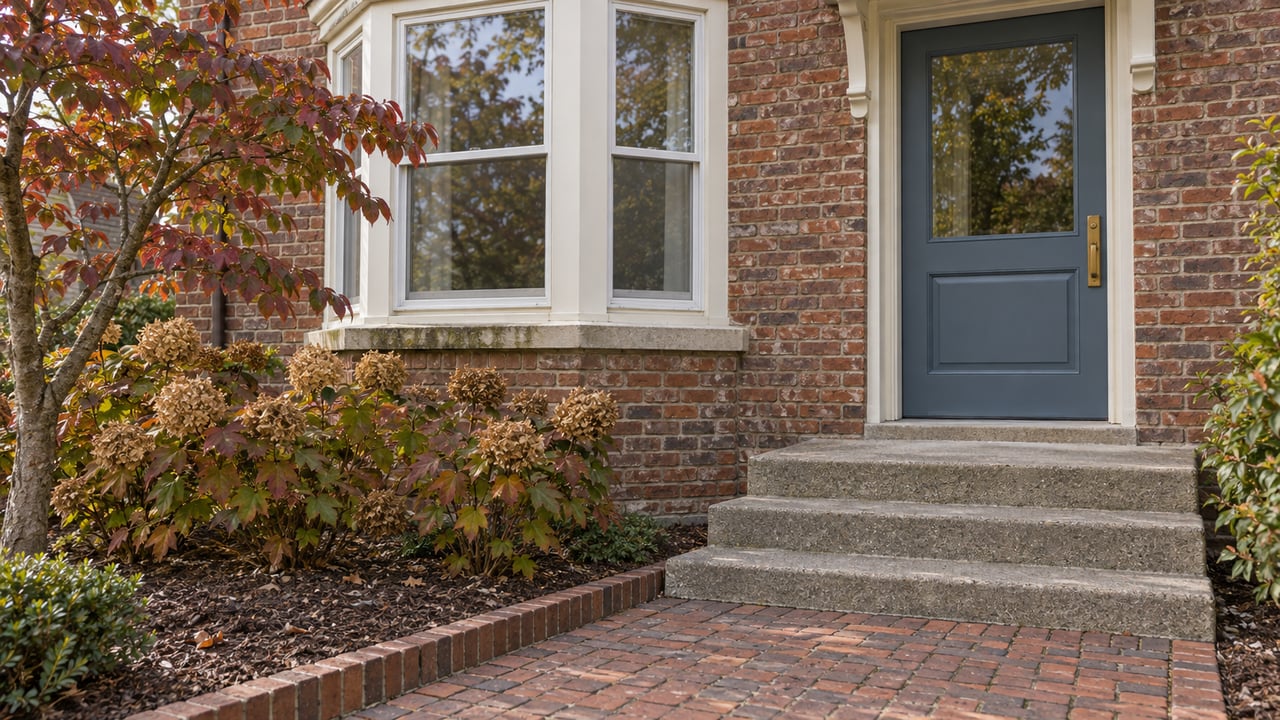
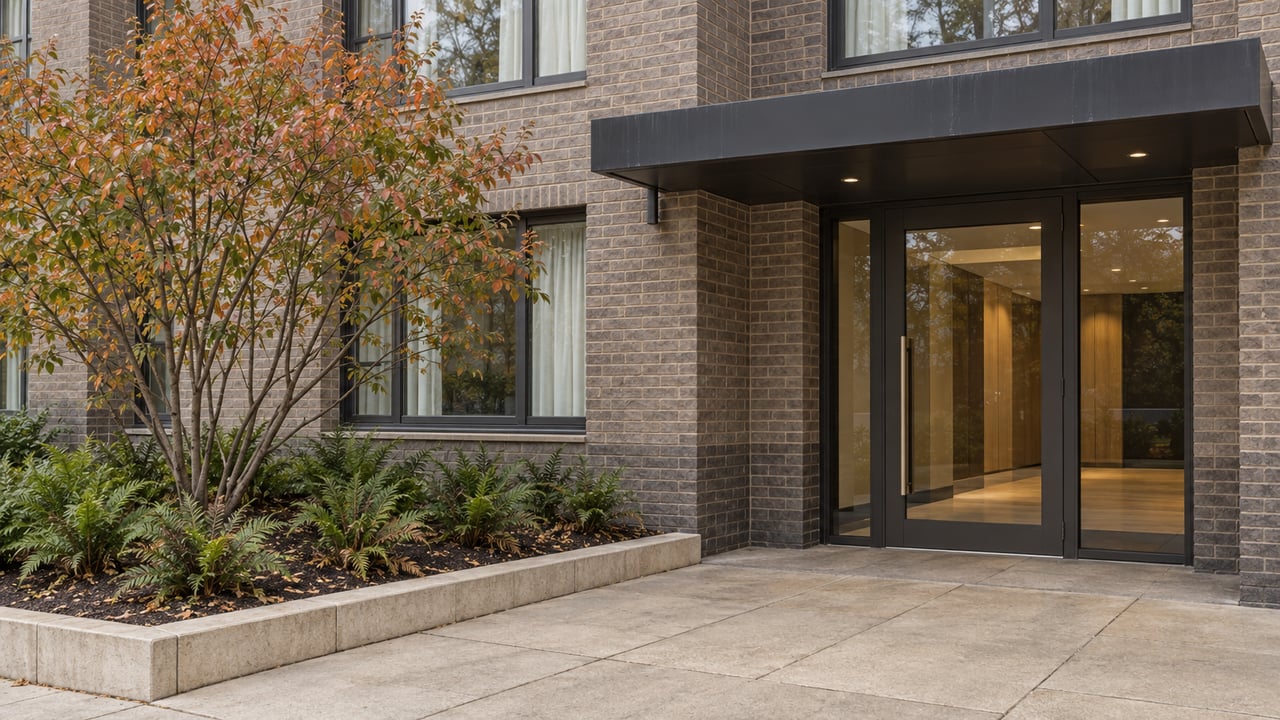
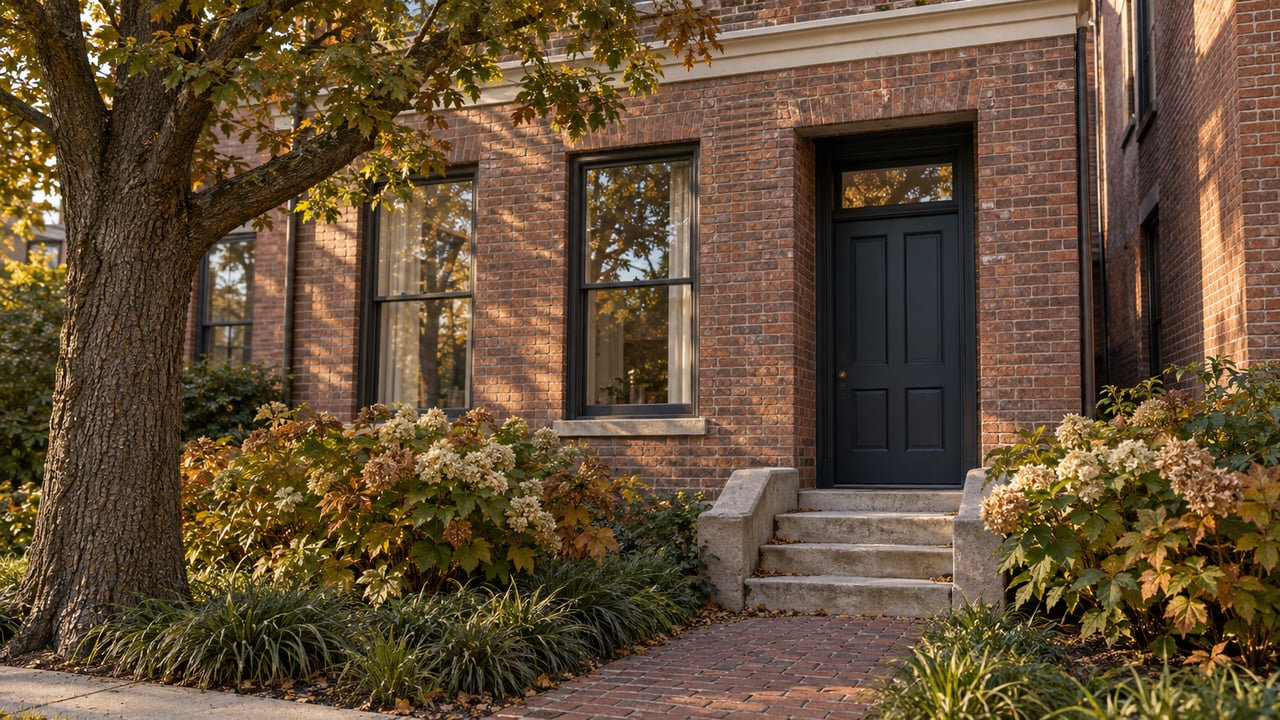
Historic brick rowhouses and townhomes define much of the housing stock in the core historic district. You also see low to mid-rise condominiums, plus conversions of older buildings like warehouses, schools, or churches that now house residences. Detached single-family homes are far less common within the heart of Old Town and tend to command premium prices.
Inside many historic homes, expect multiple levels and compact rooms. Some buildings do not have elevators. Mechanical systems can be older, and off-street parking is limited. These features shape daily life and should inform your home search and budget.
Market character and cost
Inventory in Old Town is often tight due to the limited historic stock and steady demand for location and walkability. This creates a competitive environment at times. Overall housing costs and the cost of living run higher than regional and national averages, driven by proximity, amenities, and historic value.
Renovation and preservation
Old Town’s Old and Historic District brings oversight for many exterior changes through the city’s preservation authorities. Interior work is less regulated, but exterior alterations, additions, and demolitions usually need approval. Plan for timelines and materials that meet historic standards. Budget for maintenance on roofing, masonry, windows, and older systems.
Condo considerations
Condominium ownership is common. When you evaluate a building, focus on HOA fees, reserve funds, recent reserve studies, and the history of maintenance. Converted historic properties may have unique insurance and upkeep needs, so understanding coverage, including any flood-related requirements, is important.
Everyday trade-offs to weigh
Space and stairs
Private outdoor space is limited in many Old Town homes. If you want a yard, be ready to prioritize certain streets or consider townhomes with terraces or patios. Multi-level living is common, so think about mobility and how you live day to day.
Noise and crowds
Proximity to King Street or the waterfront brings convenience and some weekend bustle. Tourist foot traffic and event activity can increase noise during evenings and holidays. A block-by-block visit will help you gauge your comfort level.
Flood risk and climate
Low-lying properties near the Potomac can face tidal flooding and, in some cases, storm surge. The city is planning for sea-level rise and higher high-tide events along the waterfront. If you are considering a location close to the river, review flood maps and insurance requirements, and factor long-term maintenance or mitigation into your plan.
Is Old Town a fit? Quick checklist
- Walkability: Are your daily errands and routines easy to handle on foot from the specific block you are considering?
- Parking: Does the property include a private space or garage access, or will you rely on resident permits and metered parking nearby?
- Stairs and accessibility: Will multiple floors or limited elevator access fit your lifestyle needs now and in the future?
- Outdoor space: Do you need a yard, patio, or balcony, and how much space feels comfortable for you?
- Noise level: How close are you to King Street or event routes, and what does that sound like on weekends or evenings?
- Flood exposure: What do local and federal tools show about flood risk, insurance needs, and any mitigation steps for the property?
- System age: What are the ages and conditions of the roof, HVAC, plumbing, and electrical, and what replacements are on the horizon?
- Condo diligence: For condos, have you reviewed HOA reserves, pending assessments, insurance coverage, and the building’s maintenance history?
Seasonal rhythms you will notice
Spring to fall
Tourist activity peaks in the warmer months. You will see more outdoor dining, waterfront foot traffic, and weekend energy. Trails and water activities become part of the weekly routine for many residents.
Winter and holidays
The holiday season feels festive, highlighted by events like the Scottish Christmas Walk Parade that draw visitors. Colder months bring a calmer pace and a more local rhythm in shops and restaurants.
Weekly patterns
Weekdays often center around commuting windows. Mornings and late afternoons show steady Metro flows. Saturdays are a prime business day for local shops and the waterfront.
How to shop smart in Old Town
Focus first on how you live. If you value walkability, map your daily needs to specific blocks and transportation options. Consider whether you prefer the heart of King Street or a quieter residential pocket a few streets away.
Look closely at the building itself. Historic charm comes with maintenance, and exterior changes in the district usually require review. If you plan to renovate, time and costs can reflect materials and approvals needed for historic consistency.
Do a parking and storage reality check. If the home lacks off-street parking, evaluate the permit system on your block and nearby garages. If you bike or paddleboard, plan for where gear will live.
For condos, read the fine print. Review reserve studies, recent maintenance, and insurance scope. Evaluate special assessments and the building’s history of care, especially in conversions.
Final thought
Old Town offers a rare blend of history, waterfront access, and modern convenience. You get a walkable lifestyle, strong transit options, and an active calendar. In exchange, you accept some urban trade-offs, like limited parking, compact spaces, and occasional crowding. If that balance fits you, Old Town can feel like home the moment you turn onto a brick-lined street.
If you want a local guide who understands historic housing, renovation choices, and the nuances of each block, connect with Kristen Jones Real Estate. Our boutique approach pairs neighborhood expertise with hands-on advice so you can buy with clarity and confidence.
FAQs
What is the commute from Old Town to D.C. like?
- The King Street–Old Town Metro station on the Blue and Yellow lines provides direct service to Arlington, the Pentagon, Crystal City, and downtown Washington, which many residents use for daily commutes.
How walkable is Old Town for daily errands?
- King Street and nearby blocks offer shops, cafes, and small grocers within a compact area, and larger supermarkets are located a short distance away in greater Alexandria.
What types of homes are common in Old Town?
- You will find historic brick rowhouses and townhomes, low to mid-rise condos, and conversions of older buildings like warehouses or schools, with detached single-family homes less common in the core.
How does historic preservation affect renovations in Old Town?
- Exterior changes in the Old and Historic District usually require review and approval, which can add time and cost, while interior work is generally less regulated.
What should condo buyers look for in Old Town?
- Review HOA fees and reserves, recent reserve studies, maintenance records, and insurance scope, noting that historic conversions may have unique upkeep needs.
How significant is flood risk near the waterfront in Old Town?
- Low-lying properties close to the Potomac can face tidal flooding and occasional storm surge, so it is important to check flood maps, insurance requirements, and mitigation options before you buy.